
The NHS is moving its first point of contact from human to machine, and stroke survivors are among the first to find where it fails! The system in the current row about AI is EMMA (Enhanced Medical Management Assistant), a virtual receptionist from QuantumLoopAI, used across many UK GP practices to triage calls, cut queues and handle the ‘8am scramble’ for same-day appointments. A single full-time GP now has well over 2,000 patients, and NHS figures show only about four in ten people are seen on the day they book, so the demand is real. The question is whether an automated voice-recognition layer is the right thing to put between a sick patient and their surgery, and who it shuts out.
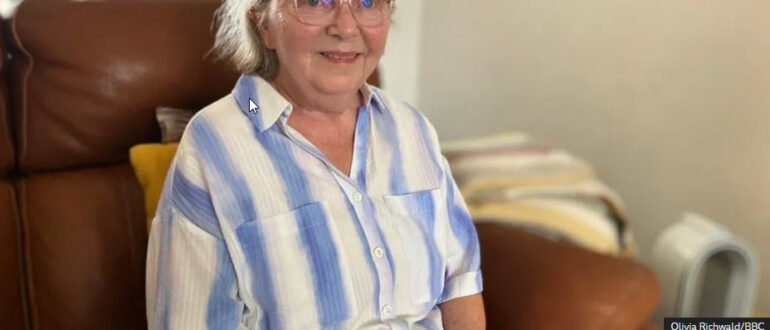
Judith Butterfield, 71, of Armthorpe near Doncaster, had a stroke in January that left her with right-sided weakness and fragmented speech, and spent two months in Doncaster Royal Infirmary. Back home, she tried to book a GP appointment through EMMA five times and couldn’t get it to understand her; upset and frustrated, she felt forced to leave her surgery of long standing and register elsewhere! Apparently, two effects of her stroke defeated the system; it couldn’t make out her fragmented speech and its instruction not to use speakerphone stopped her too, because she holds the handset in her working left hand, which leaves nothing for the keypad her right hand can no longer manage. As she put it: ‘I need to hold the phone in my left hand but I can’t use the keypad now with my right hand, so what am I supposed to do?’
She’s not alone. Healthwatch Rotherham looked into the same system and found it ‘does not respond well to variations in speech such as regional accents or those with speech impediments’, with patients who gave up; one said ‘I could never get it to understand me, I ended up just hanging up’, while others walked to the surgery to be seen in person. Healthwatch England has logged similar problems nationally, mostly among people with speech or learning difficulties. The people it fails are the very same people that a stroke, or ageing, or neurological disability most affects….
There are two separate problems. One is accent and dialect coverage, which a vendor can improve with better training data. The other is disability, and the reasonable adjustments the law requires for it. Dysarthria, aphasia and hemiparesis are absolutely conditions the NHS exists to accommodate so the anodyne ‘Ask for a human at any time’ doesn’t solve anything at all. The NHS Accessible Information Standard has required practices to meet disabled patients’ communication needs since 2016; and yet the NHS App is set to use AI to triage patients in a roughly £10 billion overhaul, adopted practice by practice rather than nationally. What do you think? Will this create a better service or just more a whole lot more frustration?