Your Stroke / Brain Injury Recovery Starts Here


ARNI home-based training and guidance for your rehab is POWERFUL. Accept no substitute.

2026 marks 25 years of ARNI: Click Here to Claim your £50 off Full Set of Stroke Rehab 7 DVDs TODAY!

News

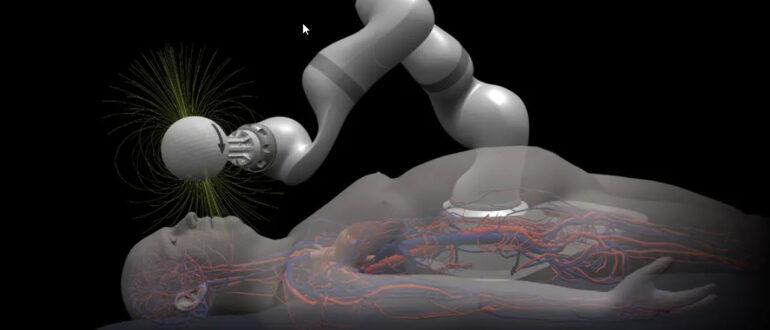
The CorTec Brain Interchange system’s neuroprosthetic is designed to function as a fully implanted wireless closed-loop platform that monitors and stimulates the brain simultaneously. You’ve probably seen various brain–computer interfaces in the news… but this specific hardware is unique because it avoids the need for external cables or bulky headgear that typically limits a survivor’s mobility during rehabilitation.

The techutilises ‘Air–Ray’ electrodes embedded within soft silicon sheets which are designed to rest upon the cortical surface rather than penetrating the brain tissue; this is a critical safety feature for long term use as it reduces the risk of inflammation or scarring whilst maintaining a high resolution for neural signal acquisition. In a notable clinical trial at the University of Washington, a participant was able to play the video game ‘Pong’ using nothing but his thoughts just two hours after the system was introduced. This speed of acquisition suggests that the decoding algorithms used to interpret your intent to move are becoming incredibly efficient. Dr Frank Desiere and his team have ensured the hardware remains identical for both the rehabilitative stimulation and the digital control aspects; so you’ve no requirement for additional surgical interventions or separate devices to switch between physical therapy and computer interaction.

The system has achieved an ‘FDA Breakthrough Device Designation’ in the United States… which accelerates the regulatory path for technologies that provide more effective treatment of life–threatening or irreversibly debilitating conditions. Prof Jeffrey Herron and other leading researchers involved in the study believe the ability to record and stimulate in real time allows for a more tailored approach to neuroplasticity. By delivering precisely timed electrical pulses… the device aims to strengthen the neural pathways you’ve lost after a stroke; essentially helping the brain to rewire itself more effectively than through traditional passive exercises alone. Although the primary trials are taking place across the Atlantic… the German engineering firm CorTec is actively looking toward the European and British markets for future routine implementation.

It’s difficult to pin down a precise date for when you might see this in a standard UK clinical setting; however the progression of clinical programmes for paralysis and the move toward more personalised neurotherapies suggest we are looking at a timeframe of several years rather than decades. The transition from feasibility studies to widespread NHS availability will depend heavily on larger scale trials proving long term efficacy and cost-effectiveness. ARNI Stroke Rehab Ul says that the dual capability of brain stimulation and digital control mean that closed–loop neurotherapies could possibly be moving closer to becoming a standard part of long term recovery in the future, but whilst the technology is promising, there’s currently no firm date for when such advanced systems will be available for routine use in the UK. Interesting however to know that this tech is out there and hopefully coming our way….

The ESPRESSo trial – Enhancing Spontaneous Recovery after Stroke – published in March 2026 in Brain Communications, delivers a clear finding: adding 90 minutes of high-intensity upper limb therapy each weekday for three weeks, begun within two weeks of stroke, did not produce better three-month outcomes than standard care alone.

Led by Professor Winston D. Byblow of the Department of Exercise Sciences and Centre for Brain Research at the University of Auckland, alongside Professor Cathy M. Stinear, Professor P. Alan Barber, and Professor John W. Krakauer of Johns Hopkins University, the trial enrolled 64 stroke survivors; half used a MindMaze videogame platform generating high volumes of exploratory hand and arm movements, half received conventional therapy… neither group outperformed a historical cohort who had received standard care only. The trial ran at Auckland City Hospital between 2021 and 2024 and was funded by the Health Research Council of New Zealand. Outcomes were measured immediately after intervention, then at three and six months post-stroke, with the primary endpoint being upper limb capacity at three months on the ARAT (Action Research Arm Test). Both intervention groups improved markedly between the start of the study and the end of the additional therapy period, with further smaller gains at three months,but those three-month outcomes were indistinguishable from the standard care cohort.

What makes this significant? The assumption that earlier and more intensive therapy capitalises on a window of neural plasticity has shaped stroke rehabilitation for years (partially dismantled by AVERT). But as Professor Byblow states: ‘early recovery after stroke is dominated by powerful biological repair processes, and increasing therapy dose very early after stroke may not enhance those processes.’ You’ve basically got a brain already doing a great deal of the work; and the evidence here suggests pushing harder against that process adds nothing at that early stage.

Crucially, participants were selected using biomarker stratification of corticospinal tract integrity (a world-first for a rehab trial), so the null result cannot be attributed to mixing high and low potential responders. It’s also worth noting that the videogame platform was rated as enjoyable by patients and achieved the same outcomes as conventional therapy; so digital rehab tools need not be inferior to hands-on treatment, even if neither added benefit over standard care at this early stage. Professor Byblow has suggested that the biggest gains from intensive training may come after spontaneous biological recovery has run its course, and that exploring biological treatments in the acute phase may be more productive than simply increasing activity-based loading.

This connects to the Auckland group’s longer body of work on proportional recovery; the finding that most survivors recover approximately 70% of lost upper limb function within three months if their corticospinal tract remains sufficiently intact. Biomarker tools such as the PREP2 algorithm – combining TMS-derived motor evoked potential data with clinical assessment – already predict upper limb recovery with over 80% accuracy and have been adopted at Auckland City Hospital.

In the UK, TMS is not yet close to being any kind of standard intervention in stroke units and NHS-wide biomarker-guided rehab remains many years off (something that ARNI friend (Emeritus) Professor Val Pomeroy is examining right now (and has done for many years). Realistically, routine adoption is unlikely before the early 2030s.

The persistent hand weakness that drives the need for trials like ESPRESSo is well documented; it’s known to reduce independence at six months after stroke and remains one of the most clinically significant unresolved challenges in neurorehabilitation. If the early acute phase is dominated by biology rather than therapy dose, the implication for NHS stroke services is that resource in the first two weeks might be better directed toward fatigue management, patient readiness, and preparing for the more intensive rehabilitation work that may yield greater returns once spontaneous recovery has stabilised.

ARNI Stroke Rehab UK says: this research reinforces that working with your biology rather than just against your deficits… and knowing where you are in your recovery trajectory… is what will make the real difference to what you get back.


Stroke recovery research has long focused on what the damaged brain can no longer do. A study published in The Lancet Digital Health by scientists at the USC Mark and Mary Stevens Neuroimaging and Informatics Institute (Stevens INI) shifts that focus considerably – finding that the undamaged side of the brain may actively reorganise itself after stroke, showing signs of ‘younger’ biological structure as it adapts to injury… and the implications for how we understand neuroplasticity and rehabilitation are meaningful.

The research is part of the ENIGMA Stroke Recovery Working Group, a global collab led by Dr. Hosung Kim, Professor of Research Neurology at the Keck School of Medicine of USC, and Dr. Sook-Lei Liew at the Stevens INI at the USC Viterbi School of Engineering. The dataset analysed brain scans from more than 500 stroke survivors across 34 research sites in eight countries, building what is described as the world’s largest stroke neuroimaging dataset of its kind. That scale matters enormously – the subtle patterns this study identified would simply not be detectable in the smaller, single-site studies that have historically dominated stroke neuroimaging research.

The analytical method at the heart of the study is worth understanding. The team used a graph convolutional network – which is basically an advanced form of AI, trained on tens of thousands of MRI scans …to estimate the biological age of 18 distinct brain regions in each hemisphere. The difference between a person’s predicted brain age and their actual chronological age is known as the brain-predicted age difference (brain-PAD), and it functions as a sensitive marker of neural health. An older-appearing brain-PAD has previously been associated with Alzheimer’s disease, traumatic brain injury and major depression, while a younger-appearing brain-PAD suggests preserved structural integrity. And, what made this study striking was what happened on the undamaged side…

In survivors with the most severe movement deficits – even after six or more months of rehabilitation – the damaged hemisphere showed accelerated ageing consistent with the scale of the lesion, as you’d expect. But the opposite hemisphere, particularly within the contralesional frontoparietal network, showed a paradoxically younger-than-expected brain age. The frontoparietal network is known to support motor planning, attention and coordination; it’s not the primary motor system but it plays a critical compensatory role when the primary motor pathways are damaged. As Dr Kim explained, rather than indicating full recovery of movement, this younger pattern likely reflects the brain’s attempt to adjust when the damaged motor system can no longer function normally… and that distinction is clinically important because it means the pattern is a marker of compensation rather than recovery, which has direct implications for how rehabilitation targets should be set.

Dr Liew noted a paradoxical finding; that the contralesional rejuvenation effect was strongest in the most severely impaired survivors, suggesting that the greater the demand placed on the intact hemisphere by severe ipsilesional damage, the more structurally ‘youthful’ those compensatory regions appear. This is btw, consistent with use-dependent plasticity (where regions under higher functional demand maintain or enhance their structural integrity). Professor Arthur W. Toga PhD, director of the Stevens INI, added that pooling worldwide data and applying AI allows detection of patterns invisible in smaller studies, and that these findings could eventually guide personalised rehabilitation strategies. For now brain-PAD remains a research tool, and translating it into routine NHS practice requires replication and NICE review – a process measured in years rather than months. But the message is clear; the brain after stroke is not passively awaiting recovery.. it’s actively reorganising – and understanding that process more precisely is likely to be one of the threads in stroke rehab research over the next decade.

Chronic pain is one of the most prevalent and least adequately treated sequelae of stroke. Research suggests that approximately 42% of stroke survivors are living with chronic pain six months or more after their stroke… and with around one million stroke survivors in the UK, that points to roughly 420,000 people managing pain as a direct or indirect consequence of their stroke, a number projected to grow substantially as the stroke survivor population is expected to more than double by 2035.

The pain broadly divides into two categories. Central post-stroke pain (CPSP) arises directly from damage to the spinothalamic pathways and thalamic structures involved in pain processing; it’s characterised by burning, aching or hypersensitivity and responds poorly to conventional analgesics. Musculoskeletal pain- including chronic low back pain – arises from the biomechanical consequences of stroke; altered gait, spasticity, pelvic tilt, inhibited core and gluteal muscles, and hours spent in poorly supported positions all drive cumulative mechanical stress into the lower spine over months and years. Lower back pain in particular becomes a significant independent barrier to rehabilitation, reducing exercise tolerance, disrupting sleep and compounding fatigue.

Current treatment options are limited. Opioids carry serious risks of dependence and cognitive blunting, especially concerning in a population already managing potential cognitive impairment. Existing implantable spinal cord stimulators work but require invasive surgery, battery replacement and are expensive… none of which makes them easily accessible to most stroke survivors.

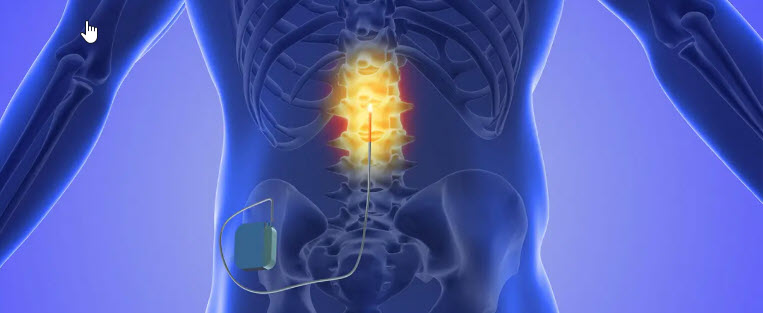
This is why the work from Professor Qifa Zhou at the Zhou Lab, USC Viterbi School of Engineering, published in Nature Electronics in June 2025 and developed in collaboration with the Jun Chen Group at UCLA – deserves attention. Lead author PhD candidate Yushun Zeng and the team have developed a flexible ultrasound-induced wireless implantable (UIWI) stimulator that receives power entirely from a wearable external ultrasound transmitter worn over the skin, with no batteries, no wires and no repeated surgery. The device uses the piezoelectric effect – converting ultrasound mechanical waves into electrical stimulation delivered to the spinal cord – and integrates machine learning algorithms that read physiological signals in real time and adapt stimulation continuously rather than delivering a fixed response. For a stroke survivor whose pain fluctuates with activity, fatigue and spasticity throughout the day, that adaptive capacity is definitely a serious clinical step beyond anything currently available.

Routine clinical use in the UK will be some years away; MHRA licensing and NICE appraisal following human trials would realistically place this five to eight years from now at minimum. But the direction is clear, and that matters. ARNI Stroke Rehab & Recovery says: chronic lower back pain is one of the most consistently reported barriers to rehabilitation that stroke survivors describe to us, and drug-free adaptive pain technology like this represents exactly the kind of progress that could help people keep moving, keep training and keep improving long after their stroke.

Measuring stroke recovery properly is harder than it sounds. Most single outcome measures capture one dimension of what stroke does to a person and miss everything else… which is why Dr Tom Balchin at ARNI Stroke Rehab UK has built a set of four complementary assessments into every ARNI specialist’s training and into the Training Logbooks that survivors and instructors use together, repeated every 12 weeks so that genuine progress – and any regression – can be tracked with rigour over time.

The Stroke Impact Scale (SIS) is introduced from day one of the ARNI Functional Rehabilitation after Stroke Accreditation; it covers strength, memory, emotion, communication, activities of daily living, mobility and quality of life, giving both trainer and survivor a rounded picture of how stroke is affecting daily living across every domain. Alongside it, also from the outset, comes the Chedoke Arm and Hand Activity Inventory (CAHAI); it assesses the functional use of the affected arm and hand across nine real-life bilateral tasks — opening a jar, doing up buttons, pouring a glass of water and more – producing a score out of 63 that reflects what the upper limb can actually do in practice rather than just what it looks like in a clinical setting. Together the SIS and CAHAI form a strong and complementary pairing; the SIS capturing the broad whole-life picture and the CAHAI drilling down into the upper limb detail that sits at the heart of so much of ARNI’s rehabilitation work.

Once students are established in the course, the Rivermead Mobility Scale (RMS) is introduced; it measures mobility across 15 tasks from turning over in bed through to running, making it an ideal tool for tracking lower limb and whole body functional progress over time. And most recently Dr Tom has begun introducing instructors to the Fatigue Severity Scale (FSS), developed by Krupp et al… which was advised to him by his kind contact Dr Anna Kuppuswamy (formerly of Queen Square, UCL and now at Leeds), because post-stroke fatigue is one of the most debilitating and underassessed sequelae of stroke, recognised by survivors themselves as something that can affect them every day.

What seems to make this quad quite effective is that together they cover the full landscape of stroke recovery without much overlap – upper limb function, mobility, whole-life impact and fatigue – and no single measure could do that alone. They are the evidence base that shows survivors, families and commissioners what ARNI training is actually achieving, session by session and month by month. Every ARNI instructor is trained by Dr Tom and his team to use them with care and consistency.

Stroke prevention research tends to focus on the dramatic; new drugs, surgical interventions, advanced imaging – and it’s easy to overlook the quieter evidence building around diet. A study published in March 2026 in the journal Nutrients by Wakayama, Araki, Nakamura and Ikeda shifts attention toward one of the most ordinary dietary habits imaginable: drinking milk. The projected results are striking enough to deserve serious attention from anyone interested in the population level reduction of stroke burden.

The research used a Markov model to simulate how a population moves between health states over time when a risk factor changes; each annual cycle in the model tracked individuals moving between no stroke, stroke, stroke-related death and death from other causes. It modelled the effects of increasing milk consumption to the nationally recommended 180 grams per day among Japanese adults aged 30 to 79 over ten years, examining stroke incidence, stroke-related deaths and national healthcare expenditure. Two scenarios were tested – an immediate increase and a gradual one building at a constant annual rate – and both produced meaningful projected benefits, though the immediate change performed better across most outcomes. Meeting the recommended dairy intake was projected to reduce stroke incidence and stroke-related mortality by approximately 7% overall, with some subgroups seeing reductions of up to 10.6%… and stroke-related national healthcare expenditure was projected to fall by around 5.1%, with subgroup savings reaching as high as 8.5%. The greatest absolute benefits appeared in older adults aged 70 to 79, while younger groups showed the largest proportional improvements. And crucially, the dietary change being modelled is simply meeting an existing national recommendation that most Japanese adults currently fall short of.

The biological plausibility is reasonably well established even if the precise mechanisms remain incompletely understood. Milk provides calcium, magnesium and potassium, all of which have been associated with blood pressure regulation and cardiovascular protection; and hypertension is the single most important modifiable risk factor for stroke, so any dietary pattern that plausibly contributes to lower blood pressure deserves attention in this context. The association between dairy intake and reduced stroke risk has been examined across multiple study designs and populations, and the direction of the evidence is consistent… a large dose-response meta-analysis drawing on 18 prospective cohort studies covering over 762,000 individuals and nearly 30,000 stroke events found that each additional 200 grams of daily milk intake was associated with a 7% lower risk of stroke, with the association particularly strong in East Asian populations. A separate global analysis published in Nature Communications in 2025, drawing on both the China Kadoorie Biobank and the UK Biobank, found that total dairy consumption was associated with a 6% reduced risk of stroke across the combined dataset.

It’s important to be clear about what this Nutrients study is and isn’t. It is a simulation rather than a randomised controlled trial demonstrating that increasing milk intake causes a reduction in stroke events… the model cannot account for every confounding variable, it doesn’t estimate the costs of implementing population level dietary change, and it doesn’t disaggregate by milk type or stroke subtype in ways that would allow more precise policy recommendations. Future studies could usefully incorporate long-term caregiving costs, examine differences between whole and lower fat milk, and look more carefully at hormonal status and age related differences to generate more precise estimates.

Japan’s dietary context also differs meaningfully from the UK’s, and the specific projections shouldn’t be transplanted directly into a UK policy context without replication in relevant cohorts. But the broader message is clear enough to take seriously now. Diet is a modifiable stroke risk factor, the evidence for dairy intake as part of a holistic prevention approach is accumulating steadily, and translating findings like these into UK public health guidance requires review by bodies such as NICE and the British Dietetic Association — a process measured in years rather than months. So… the time to be paying attention is now, not later!

The University of Manchester has spent the better part of two decades building the case for anakinra (IL-1Ra) as a treatment for ischaemic stroke – and the latest research from the group, published in the American Heart Association’s journal Stroke and funded by the Medical Research Council, finally explains why a drug with such strong early promise failed to deliver in clinical trials. The answer has less to do with the drug itself than with when it was given.

Stroke is the second leading cause of death and disability worldwide, and despite decades of research tPA remains the only licensed thrombolytic treatment for ischaemic stroke in the UK, given within a strict 4.5 hour window and received by only around one in ten patients. The biological case for anakinra is well established; interleukin-1 drives inflammatory responses in the brain after stroke, attracting white blood cells that kill nerve cells and worsen injury rather than helping, and blocking IL-1 limits that secondary damage. Early animal studies were striking, with rats given IL-1Ra showing roughly half the brain damage of controls… but the phase II SCIL-STROKE clinical trial, based at the Northern Care Alliance NHS Foundation Trust, failed to show overall improvement in patient recovery.

Lead author Dr Ioana-Emilia Mosneag and colleagues at Manchester re-examined the trial data and found that nearly three-quarters of SCIL-STROKE patients had received tPA before IL-1Ra, and those patients had significantly lower levels of IL-1Ra in their blood- the drug was being broken down. Laboratory work confirmed that IL-1Ra is cleaved by plasmin, the enzyme produced during tPA treatment, meaning the anti-inflammatory drug was being degraded before it could work… and mouse model experiments made the scale of the problem clear. When given simultaneously with tPA, brain damage reduced by only 15% compared to 68% with tPA alone. But when IL-1Ra was given after tPA, no harmful interaction occurred and the protective effects of tPA were fully preserved.

As Professor Stuart Allan noted, ‘timing is very likely to be a critical factor in the efficacy of IL-1Ra, which will be beneficial if given after tPA rather than alongside it.’ Professor Craig Smith added that future studies will need to investigate the timing and effectiveness of IL-1Ra after tPA, and whether similar interactions occur with tenecteplase, a newer thrombolytic increasingly used in UK stroke centres that may be less likely to degrade IL-1Ra due to its greater specificity. Routine clinical implementation remains some years away pending larger human trials and NICE review; but the failure of SCIL-STROKE was not a dead end – it was a timing problem, and that is a very different thing.

The clinical management of post stroke cognitive impairment has historically been complicated by the lack of reliable predictive instruments capable of addressing the heterogeneous nature of neurological recovery. To resolve this significant gap in care researchers at the Nuffield Department of Clinical Neurosciences at the University of Oxford have developed a novel Stroke Cognition Calculator designed to provide earlier and more informed estimates of long term thinking problems. Funded by the National Institute for Health and Care Research and published in the Lancet Health Longevity this study addresses the ‘invisible’ challenges such as memory deficits and impaired decision making that frequently hinder a survivor’s return to independence. The tool utilises data already captured during routine hospital admissions including patient age and stroke severity alongside results from the Oxford Cognitive Screen which is a bedside assessment already integrated across the National Health Service. By synthesising these variables the model offers a personalised outlook that helps families and clinicians move beyond the uncertainty that often characterises the transition from hospital to home.

The empirical strength of the Stroke Cognition Calculator lies in its superior accuracy when compared to existing prognostic models. During initial validation with 430 participants in Oxford the tool achieved a 76 per cent accuracy rate in predicting cognitive status at the six month milestone. This performance significantly outperforms previous tools which typically recorded accuracy rates between 53 and 66 per cent. A critical technical distinction is that while prior instruments focused almost exclusively on predicting cognitive decline the new calculator accounts for the dynamic nature of recovery where cognition may improve or remain stable. Further multi centre testing involving 264 participants across 37 hospitals in England demonstrated that the accuracy remained robust at 74 per cent even when applied in varied healthcare settings. This high level of generalisability suggests that the tool is ready for broader clinical implementation as a means of ensuring equitable access to tailored support services.

First author & colleague of ARNI Stroke Recovery UK, Andrea Kusec, has noted that the high potential for everyday clinical use stems from the fact that the calculator relies on predictors already present in medical records making it both affordable and practical to deploy. Professor Nele Demeyere highlights that while cognitive difficulties are common and varied the ability to predict those who will continue to struggle is a major step toward more personalised post stroke care. By identifying individuals at higher risk of persistent impairment clinicians can strategically allocate resources and provide families with realistic expectations of the recovery journey. ARNI Stroke Rehab UK says that providing survivors with an accurate understanding of their cognitive trajectory is pretty essential for maintaining the mental resilience required for physical retraining… and that this innovative prediction tool could possibly help with the integration of cognitive support to  the intensive task specific training programmes that are vital for regaining functional independence in the community.

A pioneering study published in the journal Nature has detailed the development of a magnetic hydrogel designed to be injected into the heart to function as a biocompatible plug. This is a bioengineering solution that targets the left atrial appendage (a common site for thrombus formation in patients with AF). This innovative substance is formulated to remain fluid during the injection phase but undergoes a rapid phase transition to a solid state once positioned within the target cardiac architecture. By occluding the left atrial appendage, the hydrogel effectively prevents the migration of blood clots into the systemic circulation, thereby reducing the risk of ischaemic events. Research conducted on animal models, specifically rats and a porcine subject, has demonstrated that the gel adheres securely to the heart wall without causing significant inflammation or structural damage.

The technical complexity of this magnetic gel allows for precise positioning using external magnetic fields, ensuring that the occlusion is complete and stable over time. Traditional methods for closing the left atrial appendage often involve invasive surgical procedures or the permanent implantation of metallic devices which can carry risks of erosion or incomplete sealing. This hydrogel alternative offers a minimally invasive pathway that could potentially be performed under local anaesthetic, significantly expanding the eligibility criteria for elderly or frail patients. Furthermore, the material is engineered to integrate with the surrounding cardiac tissue, promoting a natural healing response that further stabilises the blockage.

As the global burden of stroke continues to rise, such biotechnological advancements provide a critical second line of defence for those who cannot tolerate long term anticoagulant therapy. The integration of these advanced materials into human clinical trials will definitely require rigorous assessment of long term stability and potential degradation products within the bloodstream. Initial results suggest that the magnetic properties don;t interfere with standard imaging techniques like magnetic resonance imaging.. which is a vital consideration for future patient monitoring.

Hyun, J., Kim, J., Wang, S. et al. (2026). Magnetogel for minimally invasive occlusion of the left atrial appendage. Nature, 639, 94–101.

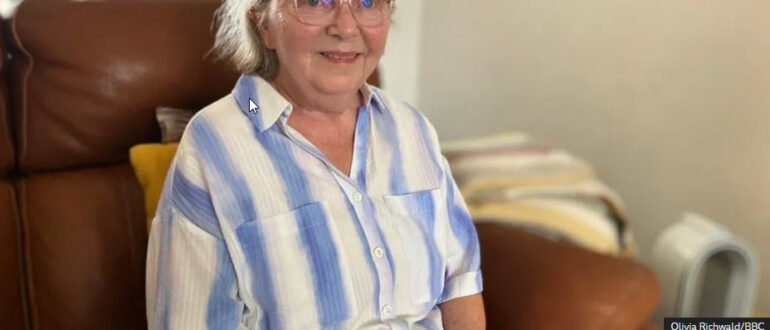
The clinical and legal implications of misdiagnosed cerebrovascular accidents in the United Kingdom have been brought into sharp focus by a significant settlement involving the Cambridge University Hospitals NHS Foundation Trust. In a case that exemplifies the catastrophic consequences of diagnostic inertia, a stroke survivor from Bishop’s Stortford was awarded one million pounds in compensation following a series of systemic failures at Addenbrooke’s Hospital in 2016. The patient, identified as Lisa, presented with acute left-side paralysis… a classic red-flag symptom of an ischaemic event – yet was not referred to a stroke specialist. Following an eight-hour wait and an inconclusive CT scan, clinical staff erroneously attributed her neurological deficits to stress rather than vascular pathology. This failure to implement the standard stroke pathway led to her premature discharge in a wheelchair, despite her inability to ambulate independently.

The subsequent clinical trajectory highlights the ‘window of opportunity’ lost when initial assessments are flawed. While at home, Lisa suffered a second, more debilitating stroke, characterised by facial drooping and dysphasia, which necessitated a five-week hospitalisation. The trust eventually admitted a breach of duty of care, acknowledging that the failure to correctly manage the initial presentation directly contributed to the second stroke and the resulting permanent disability. Legal representation from Hudgell Solicitors revealed that while the trust admitted the breach, a protracted dispute regarding the causation of the second stroke delayed the resolution of the claim. An interim payment of fifty thousand pounds was eventually secured to fund essential therapies before the final seven-figure settlement was reached to cover lifelong damages and loss of amenity.

The long-term sequelae for the survivor involve chronic pain, permanent impairment of the left upper limb and a total loss of the independence she previously cherished. Despite undergoing subsequent surgical interventions on her foot and ankle, she remains unable to operate a manual vehicle and faces significant psychological challenges as she adjusts to a “new normal” that is vastly different from her pre-morbid state. This case underscores a critical need for rigorous adherence to stroke protocols, as the misattribution of neurological symptoms to psychological stress represents a fundamental deviation from safe clinical practice. With ongoing investigations into the governance and conduct of staff at the Royal Hallamshire and Addenbrooke’s hospitals, the legal outcome serves as a stark reminder that preventable clinical errors carry not only a big financial risk for the NHS but also a really human cost for survivors and their families.


We are on Facebook

ARNI