You are the single most important person in your recovery process. It does not matter if you have a supportive partner, great family members, incredibly supportive friends or the best rehab team in the world. If you are not motivated, then none of it matters.
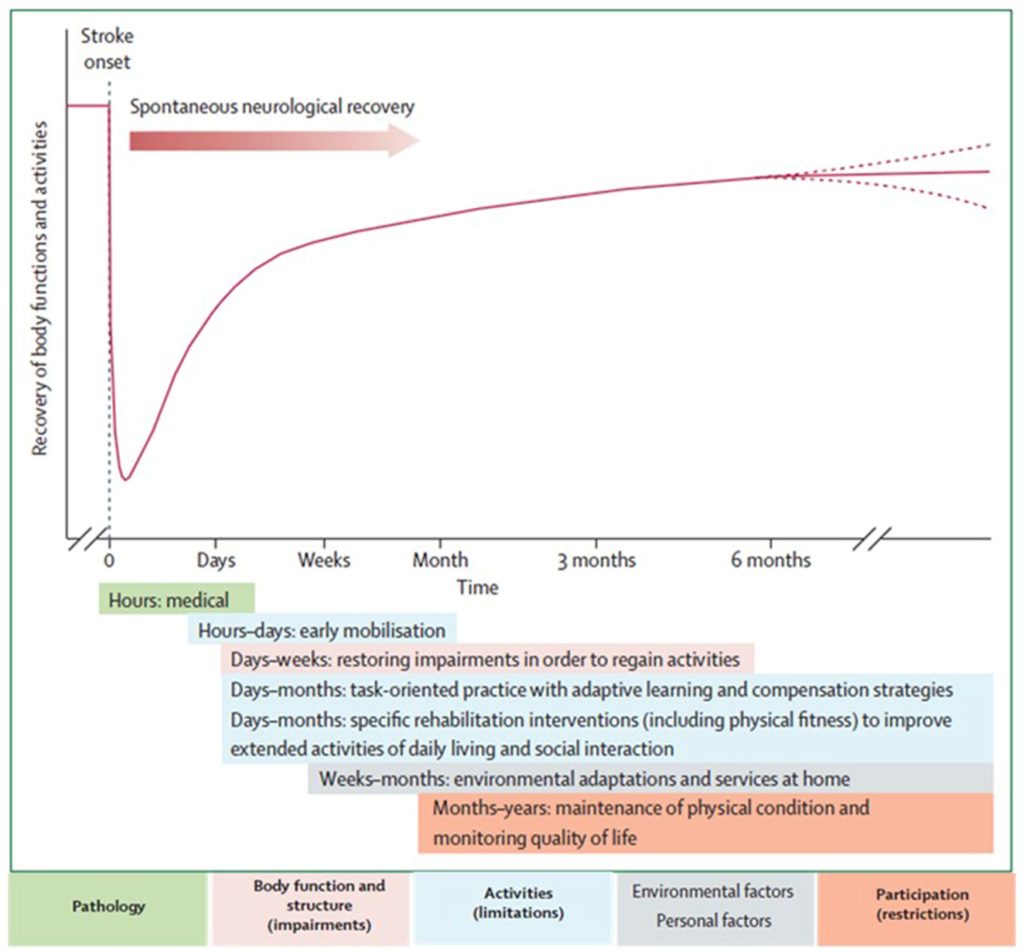
So never give up. Stroke recovery may last years and every day is a chance to get better. Even if you feel that you have plateaued, most likely are wrong, push through and tell yourself tomorrow is another chance to recover some more.
www.arni.co.uk
#NeuroRehab #strokerehab #strokerehabilitation #arnistroke #strokeexercise #neuroplasticity #ARNIstrokerehab #strokerecovery #ARNIstrokerehab
... See MoreSee Less
Stroke warrior @Richard Hargreaves, pictured said to me once that recovery is a marathon, not a sprint 🏃♀️. Sometimes, the journey can feel long and overwhelming, but it's the small, incremental successes that pave the way for bigger achievements. Each tiny victory is a step forward, a testament to your brain's incredible neuroplasticity and your unwavering determination.
Today, let's celebrate the little things that often go unnoticed but mean so much:
Wiggling a finger that was once still 🙌
Taking a few steps without aid 🚶♂️
Holding a cup with a steady hand ☕
Speaking a word or two more clearly 🗣️
A moment of feeling more like you again ✨
These aren't just small wins; they're monumental milestones on the road to recovery. They show that progress is happening, even when it feels slow. Don't be discouraged by the distance yet to travel. Instead, look back at how far you've come and celebrate every single step forward, no matter how small.
Keep pushing, keep believing, and never underestimate the power of those t#ARNIstrokerehab💪#neurorehabilitationR#strokerehabb#strokerecoveryt#incrementalsuccess##smallvictories##neuroplasticitys#strokesurvivore#NeverGiveUpt#RehabJourneyS#brainhealtherGiveUp #RehabJourney #BrainHealth
... See MoreSee Less
We have trainers roughout the UK and Southern Ireland ready and waiting to train with you to assist with functional limitations.
These instructors have all been through the ARNI Functional Rehabilitation & Exercise Training after Stroke Qualification.
Please get in touch to find out how we can best help you with your recovery.
Call 0203 053 0111 or email support@arni.uk.com
Phone lines: 9.00am to 5.00pm. Monday-Friday
THERE IS A KNOWLEDGEABLE ARNI RECEPTIONIST TO TAKE YOUR CALL.
IMPORTANT: OUR LINE DOES GET BUSY, SO IF YOU DON’T GET THROUGH FIRST TIME, PLEASE LEAVE A VERY QUICK MESSAGE ON THE ANSWERPHONE AND SOMEONE WILL RING YOU BACK ASAP.
www.arni.co.uk
#neuroplasticity #ARNIstrokerehab #strokeexercise #strokerehabilitation #arnistrokerehab #strokerecovery #neurorehab #strokerehab
... See MoreSee Less
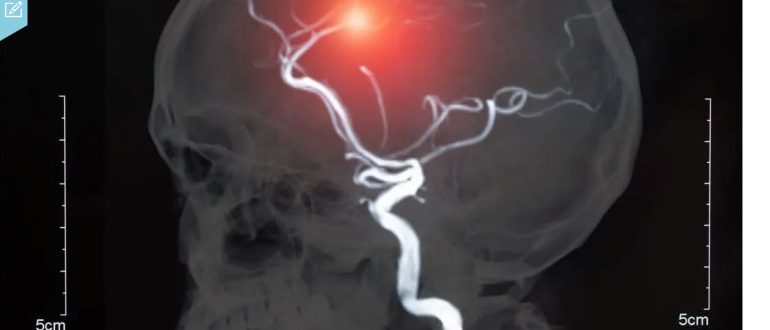
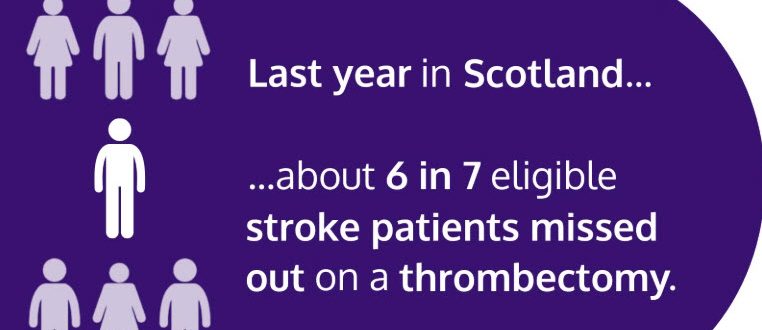
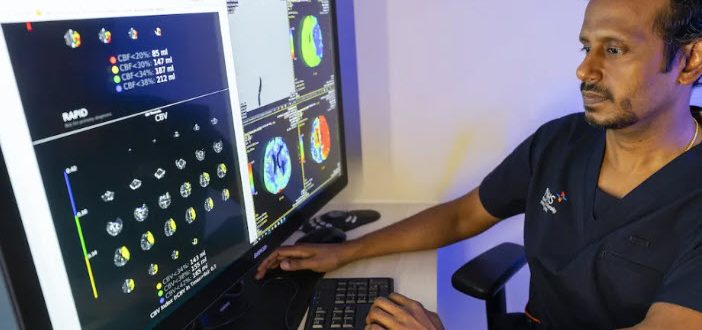
Could more of your brain have been saved after your stroke? There's now a machine available that can literally hoover the clot straight out of a blocked artery!
This astonishing new machine is called THUNDERBOLT and it's for ischaemic strokes, ie the ones where a big clot blocks a major artery to the brain and every minute counts.. Its been made by Penumbra in California, and the American FDA cleared it for stroke back in June.. and it's also got a European CE mark.
You already know there are two ways to get a clot out; a little mesh 'stent retriever' that grabs it, or steady suction that draws it out. THUNDERBOLT is the suction sort, but the difference is what it does with that suction. Instead of one constant pull, a computer (Penumbra's 'Engine') pulses the vacuum, flicking between a deep vacuum and normal pressure to, in effect, wear the clot down and break its grip on the vessel wall. And it does this very fast; up to 12 times a second!
Pressure sensors let it tell the difference between clot and flowing blood, so it knows when it's actually onto the clot and drags the whole thing into the catheter in one go, rather than the surgeon having to work it loose bit by bit.
Penumbra call the three steps detect, fatigue, ingest, and the whole point is a cleaner, more complete grab, first pass. With around 1.9 million brain cells lost every minute that artery stays blocked, that speed and completeness could mean far far less damage done. We think this is an amazing concept!
A caveat I noticed however in their own literature; they say it 'may' clear clots more completely and 'could' improve outcomes, which obvs isn't the same as being proven to beat what we've already got. Anyway, what do you think about it? Let us know in the comments below ;)
ARNI Stroke Rehab & Recovery says: the faster and cleaner a clot comes out, the better. And also the golden rules of stroke don't change; know the signs and call 999 the second you spot them, because with stroke, we say time is brain… ;)
www.arni.co.uk
#ARNIStrokeRehab #Thrombectomy #StrokeTreatment #StrokeAwareness #TimeIsBrain
... See MoreSee Less
Approximately 40% of stroke survivors experience this difficulty: to comprehend or produce spoken or written language caused by a cerebrovascular accident. In half of these cases the language impairment still persists one year post-stroke. Aphasia has wide-ranging effects on the ability to function and quality of life of stroke survivors and easily leads to social isolation.
If you need help, ARNI SLT Telerehab can now help YOU, right now, wherever you are in the world!
The latest evidence shows clearly that you can conquer aphasia very successfully with the help of speech and language therapy.
And it also shows that SLT Telerehab is just as effective as in-person, face to face treatment.
We have a team of highly experienced low-cost specialist SLTs (all post-grads from Universities such as UCL, the University of Cape Town etc) who are available to help you right now, in your home, via Zoom. You get a one to one hourly service, based around your diary needs, from the comfort of your own home, with a highly experienced specialist speech and language therapist. Please enquire to arni.uk.com/get-remote-speech-language-help-now/ !
#aphasia #StrokeSurvivors #strokerecovery #strokerehabilitation #strokerehab #aphasiaawareness #neurorehabilitation #arni #exerciseafterstroke #strokeexercise #strokerecoveryexercises #neuroplasticity #ARNIstrokerehab
www.arni.co.uk
... See MoreSee Less
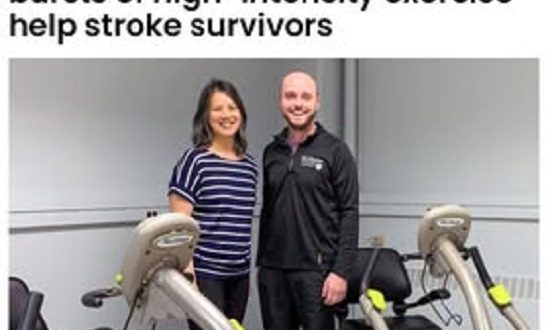
Studies have concluded that arm cycling is a useful tool for rehabilitation. They found that muscle force and the range of active movement (shoulder flexion, shoulder abduction, elbow flexion and elbow extension) can be increased significantly.
Have you tried an arm cycle?
www.arni.co.uk
#strokerehab #strokerecovery #neuroplasticity #strokerehabilitation #ARNIstrokerehab #NeuroRehab #strokeexercise #strokearmrehab
... See MoreSee Less
Your own hard work and determination... ...plus a trained ARNI instructor is the MOST POWERFUL WAY (backed by clinical research) to regain that precious gift of strength and mobility.
Call us on 0203 053 0111 or email support@arni.uk.com to find out if there's an instructor who can help you.
www.arni.co.u#neuroplasticityi#strokeexerciser#NeuroRehabr#strokerecoveryo#strokerehabilitationa#strokerehabr#ARNIstrokerehabrehab
... See MoreSee Less
The rowing stroke, when using an indoor rower, is about 65-75% leg work and 25-35% upper body work. Each rowing stroke involves compression and extension of the legs and is working the muscles of the calves, thighs, hamstrings. buttocks and hips, shoulders, back, arms and hands as well as the 'core' abdominal muscles. And because it engages so many muscle groups simultaneously. rowing gets the heart rate up nicely, pumping oxygen-rich blood around the system in readiness for exertion.
www.arni.co.uk
If you like this post then please share it with others. Each time that you share a post, you can directly help other people – as who knows which people in the world might find us and gain, either directly from the charity or simply by being able to copy an ‘innovative and useful’ move/trick of the trade that might help them manage after stroke.
Every time you share, you could directly help someone – as knowledge is power ;)
#strokeexercise #strokerecovery #neurorehab #strokerehabilitation #neuroplasticity #strokesurvivors #strokerehab #ARNIstrokerehab
... See MoreSee Less
Exercise: Knees-Up. This technique is rather like the seated marching exercise. And we are talking one legged balance here, which also works the hip flexors hard This is also great training for coping with walking up inclines. You should be trying to reach a good height with your knee. Try hard to match the heights on both knees. You may be unable to bring your bad foot even a few inches from the floor, but I promise you that as you work at it, you will get better and better at it.
Find out more about this exercise in The Successful Stroke Survivor book by Tom Balchin.
www.arni.co.uk
#strokerehab #neuroplasticity #strokerecovery #strokerehabilitation #NeuroRehab #ARNIstrokerehab #strokeexercise #ARNIstrokerehab
... See MoreSee Less