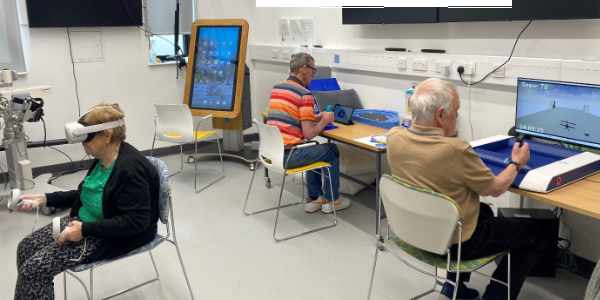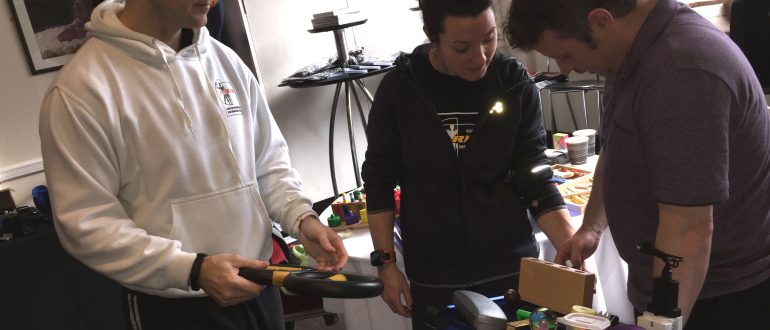
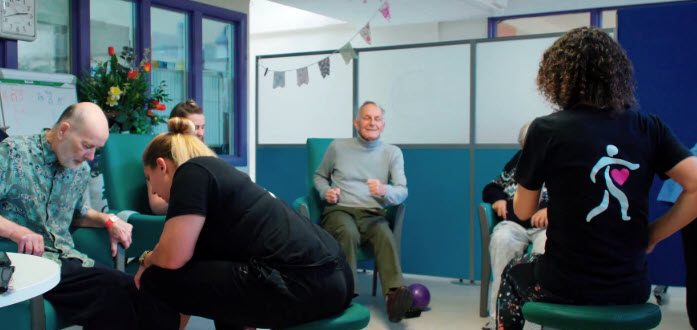

A new pilot programme at the Irvine Unit, Bexhill Hospital, is showcasing the power of collaborative, supervised exercise for stroke survivors. The Active Sussex Reconditioning Pilot demonstrates how targeted physical activity, delivered by health instructors alongside NHS physiotherapists, can significantly boost recovery. The pilot, which ran for six months, yielded significant, data-driven improvements.
Patients saw a substantial increase in their balance (balance across all survivors increased 50%), a critical factor for preventing falls and increasing mobility. Sit-to-Stand ability increased by 34%, indicating greater leg strength and functional independence in a key daily activity. The pilot also enabled greater independence for patients, with rehabilitation complexity reducing by 22%, potentially leading to faster and more successful discharges.
According to Karen Poole, AHP Rehabilitation Consultant at East Sussex Healthcare NHS Trust, the pilot demonstrated the power of cross-sector collaboration. She notes that ‘increased access to physical and social activity for patients contributed to their mood, wellbeing and a positive culture across our workforce.’
This initiative proves the potential for integrating fitness and healthcare sectors, with plans to expand the model to other hospitals across Sussex. This project highlights how innovative approaches to addressing inactivity can improve patient mood and wellbeing, challenging traditional rehabilitation models.
Subject to future funding, there are plans to expand this model by live-streaming exercise sessions to other hospitals in the region. This would enable wider adoption of the successful approach and potentially help inspire other NHS trusts to rethink their rehabilitation programmes.