Are you a stroke survivor with balance difficulties? If so, you’re NOT alone!
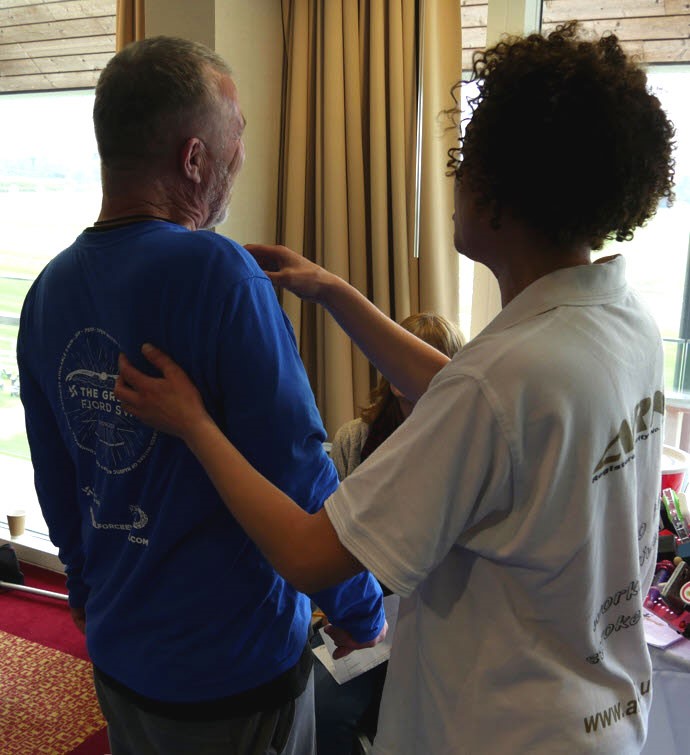
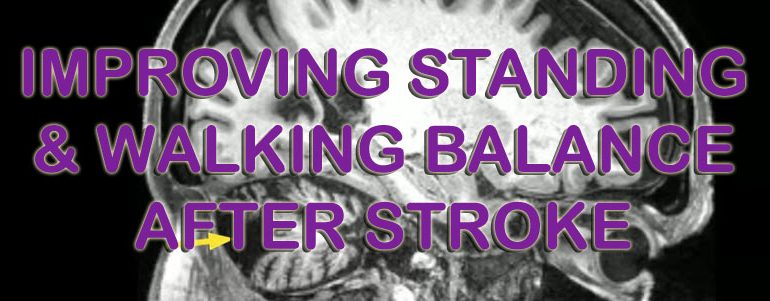
Balance and gait are essential components of functional movement, yet balance and mobility problems are among the most frequent and disabling effects of stroke, with 7 in 8 strokes affecting those over 44 years of age.
Balance (both standing and walking) training is the only effective treatment for balance disorders, as recommended by the National Institute for Health and Care Excellence (NICE) UK.
The evidence shows that training balance and gait during stroke rehabilitation is crucial for improving mobility, reducing the risk of falls, enhancing quality of life, promoting brain plasticity, and preventing secondary complications.
The newest (April 2023) stroke guidelines state: (click text)
By incorporating these activities into a rehabilitation programme, stroke survivors can improve their overall recovery, regain their independence reducing feelings of depression, whilst increasing participation in daily and social activities and improving their quality of life.
(click text) HOW TO REGAIN BALANCE ARNI BLOG POST for more.
However, access to specialist balance rehabilitation services can be poor in the UK, due mainly to the lack of enough specialists and sufficient health resources. Current programmes can be sub-optimal in that they are not truly multisensory, do not include any cognitive component (which is a key factor in determining both static and dynamic balance), and do not address real life symptoms reported by patients as challenging.
Many specialists in stroke posit that Telerehabilitation could address many of these needs.
The new (April 2023) stroke guidelines state (click text): ‘People undergoing rehabilitation after stroke should be considered for remotely delivered rehabilitation to augment conventional face-to-face rehabilitation’
ARNI Stroke Rehabilitation Charity adheres to these guidelines: we have offered a very successful speech, language and cognition rehabilitation / therapy remote service, simply using Zoom, for the past four years with survivors applying from around the world .
Click text to this page on the ARNI site: TALK WITH OUR SLT SPECIALIST ABOUT ARNI SPEECH, UNDERSTANDING & COGNITION SERVICE FOR FREE NOW
This page also shows the evidence summaries (meta-analyses of available recent studies which are as powered/controlled as possible) which reveal (for speech and language therapy at least) that Telerehabilitation is proven to be just as effective and far less costly in real-terms than in-person, face to face treatment.

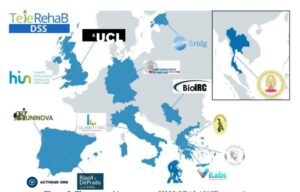
We have reported before how ARNI supporter Professor Doris-Eva Bamiou, together with the University of College London and global partners, have been conducting a large-scale global research project to improve balance and quality of life in stroke survivors which involves software and required kit, but is designed to be for use at HOME, where the vast majority of re-training can take place most regularly and over the long-term.
We stroke survivors are generally ‘in it for the long-haul! Clinicians like Professor Bamiou understand this, hence her energy & activity leading a team of professionals to improve the lives of stroke survivors. The ARNI Institute supports her efforts. Please read below about a chance to get involved!
 If you’re between 40-80 years of age, have suffered a stroke and are interested in contributing to improving balance, walking, mobility and quality of life for stroke survivors, please do read on!
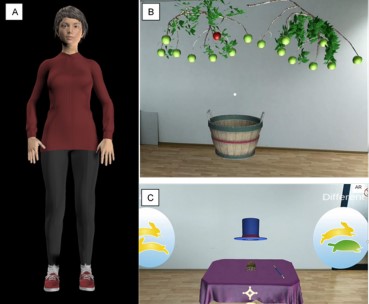
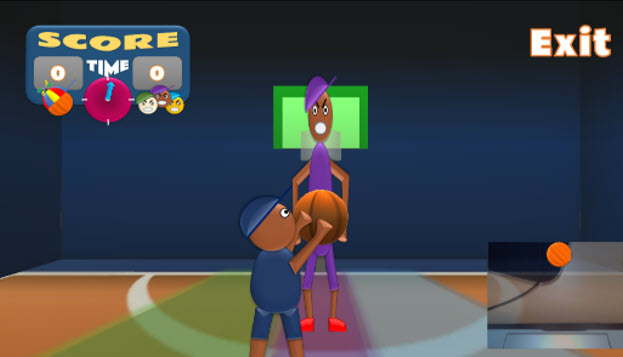
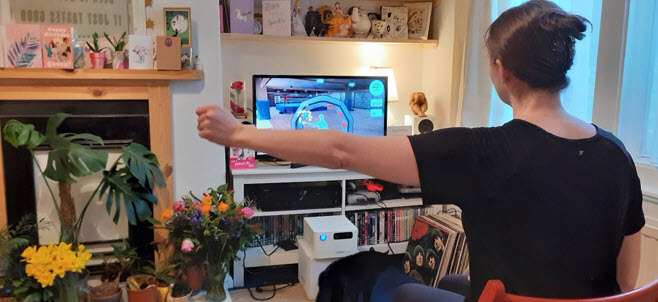
A GREAT OPPORTUNITY FOR YOU: the team’s ambition is to optimise balance rehabilitation opportunities by providing you with a comprehensive, individualised tele-rehabilitation balance physiotherapy programme and the new HOLOBalance system, which includes multisensory balance and gait exercises, physical activity and cognitive training and exergames to improve balance function in older adults with stroke. And then to monitor your progress.
This 12-week intervention will then take place in the comfort of your own home with remote monitoring by a trained physiotherapist.
Here’s the inclusion criteria… please consider applying if you:
 Are between 40-80 years of age.
- Are able to understand and consent to participation.
- Live within Greater London area.
- Have received a diagnosis of ONE of: 1) stroke, 2) mild cognitive impairment, or 3) long covid-19
- Can independently walk, with or without, a walking stick for a minimum of 500-meters.
- Have no significant visual impairment.
- Do not have any other co-existing neurological conditions (ie. Multiple Sclerosis, Parkinsons’ Disease).
- Do not have any language or communication deficits impairing your ability to communicate and/or express their thoughts
- Are willing to provide feedback on the usability, functionality, and acceptability of the kit, including appearance, proposed training and testing regime.
What will happen during the study?
1. You will receive an initial screening call to determine your eligibility.
2. Upon meeting the initial inclusion criteria, you will be invited to the clinic at 33 Queen Square, Clinical Neuroscience Centre, London, WC1N 3BG to complete the remaining eligibility screening, including the mobility, function and cognitive tests.
3. If you are deemed fully eligible, you will be randomised into either the intervention group or control group to complete a home-based balance rehabilitation programme.
4. The intervention group will complete a home-based, remote balance rehabilitation program using augmented reality, with body motion tracking for real-time feedback.
5. The control group will complete either the OTAGO home exercise programme, or a Vestibular rehabilitation program for Dizziness.
6. The program is to be completed 5-days/week over 12-weeks, with weekly phone calls, and programme reviews every 3-weeks.
Participation is entirely voluntary, and all data collected during the focus group will be kept strictly confidential and anonymous.
How can you find out more/register interest?
If you are interested in participating and would like to find out more, please contact Brooke Nairn, Research Physiotherapist, UCL, Institute of Neurology & The Ear Institute on b.nairn@ucl.ac.uk
This study is funded by UK Research and Innovation UKRI, Reference Number 10062111 (under the European Union HORIZON 2021 scheme).

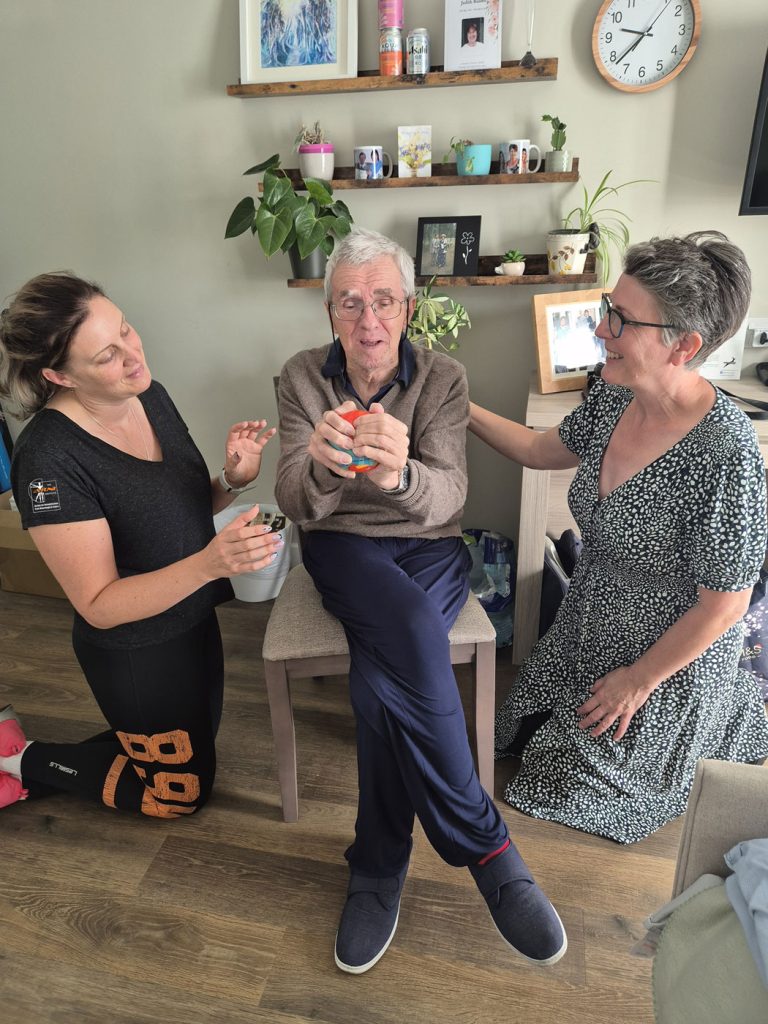 ANDREW (BY MARION). September 2024.
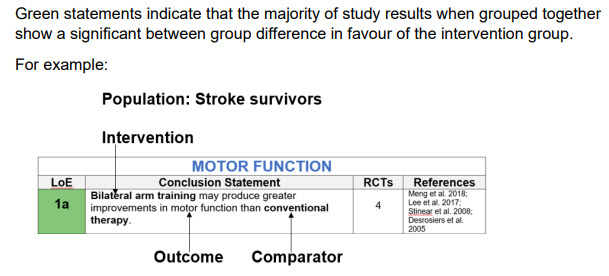
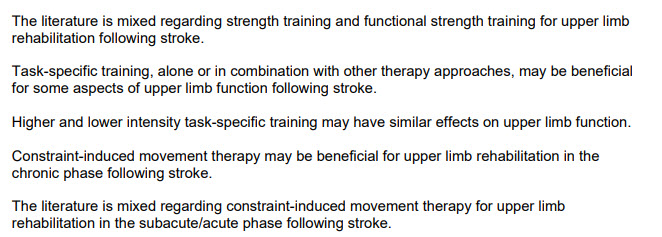
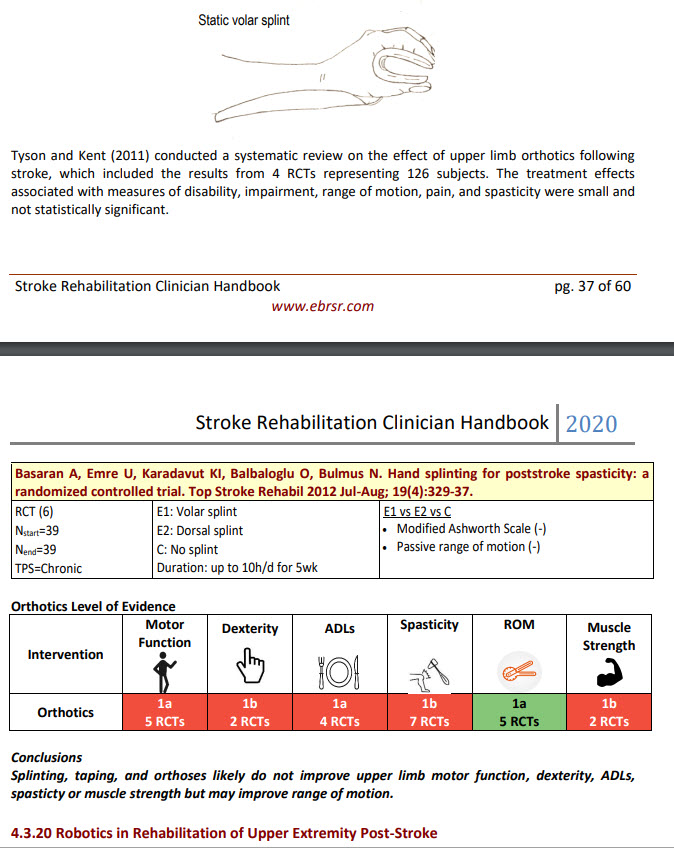 The ‘sum of the evidence-base’ is the best we have to work with – it’s often a little out of date due to many factors, not least the nature of the time it takes to collate and display. But it’s being updated all the time. Also (I’ve found), there are very many very friendly experts in Universities who may certainly be approached in the right manner with a question or two, who will be able to refer you to online resources that may be appropriate to aid your further understanding. Ask me, if you like, and I may be able to help by asking a colleague researching in the area of your question.
 In short, as above, you need to try and understand the parameters of what you’re dealing with. This is something for when you’re now home or in other accommodation, such as your circumstances dictate.
 Each year there are more than 100,000 first-time strokes in the UK; and as you may have heard on the news a couple of weeks ago, this number is set to rise by 50% by 2035.
 struggling with memory issues, who may find music therapeutic and relaxing. It lets users play the piano, even if they haven’t played it in years (or ever), for free. With a library of thousands of songs, people with Alzheimer’s and dementia can use the app to access old favourite songs and unlock good memories in the process.
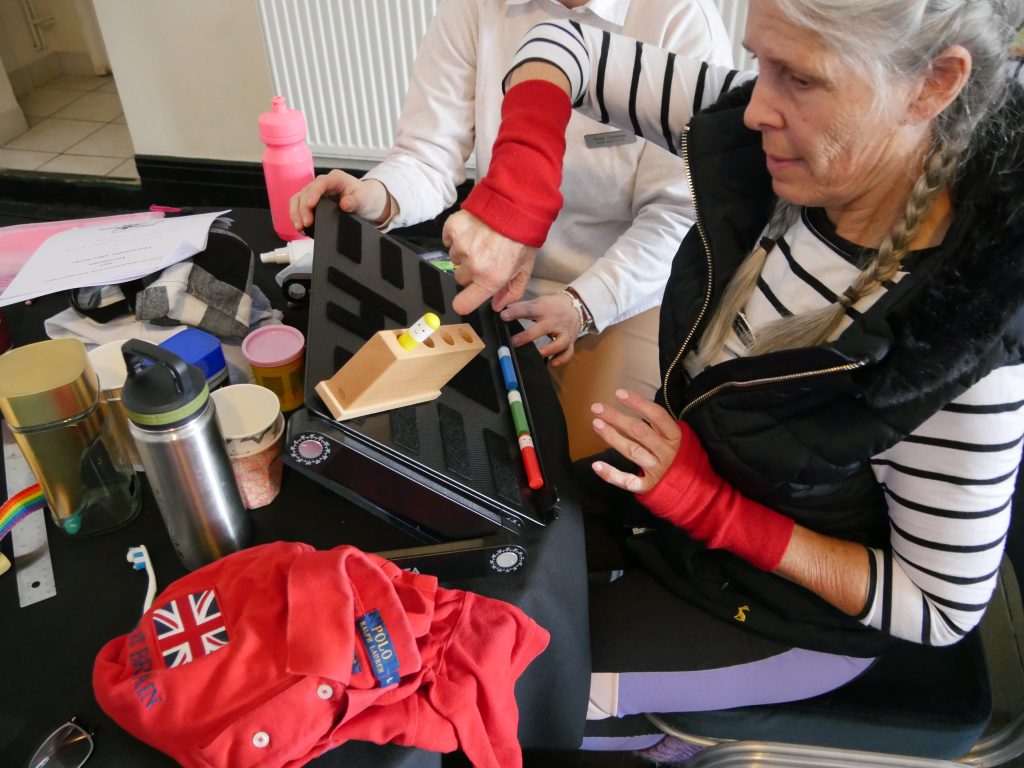
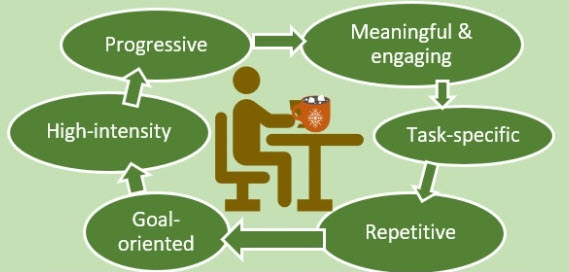 So, overall, whether using an assistive device or not when doing re-training, ‘task-practice’ is pretty much necessary/required.
 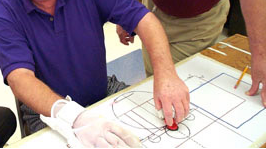 Task training is critical because it will ‘force’ you to practice using your more-affected limb. This is why the Evidence-Based Review of Stroke Rehabilitation (EBRSR) concludes that constraint induced movement therapy (CIMT) in clinical settings, for those who meet the qualifying criteria, shows strong evidence of benefit in comparison to traditional therapies in the chronic stage of stroke. CIMT is a great example of task training for the upper-limb. 30 to 66 % of stroke survivors report no longer being able to use the affected arm despite trying to rehabilitate and are in danger of avoiding using it (‘learned non-use’ or inattention/ neglect of the limb). Several factors might explain this phenomenon. First, you may see no reason to try and use your bad arm and therefore remain ignorant of underlying motor potential. Second, you may not know how to use any emerging isolated movement for functional performance.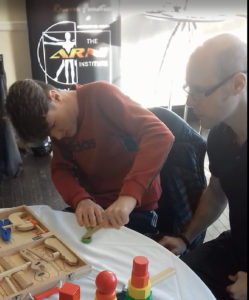
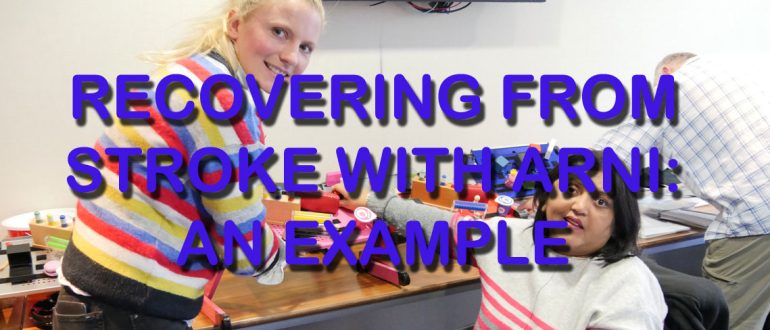
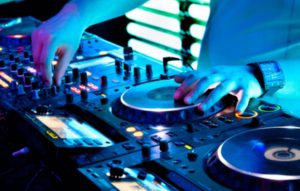 One great example: I created ‘DJ-Therapy’ to get my upper limb working again. I basically made up a hugely successful paradigm which was suitable for me. How I did it is all listed in
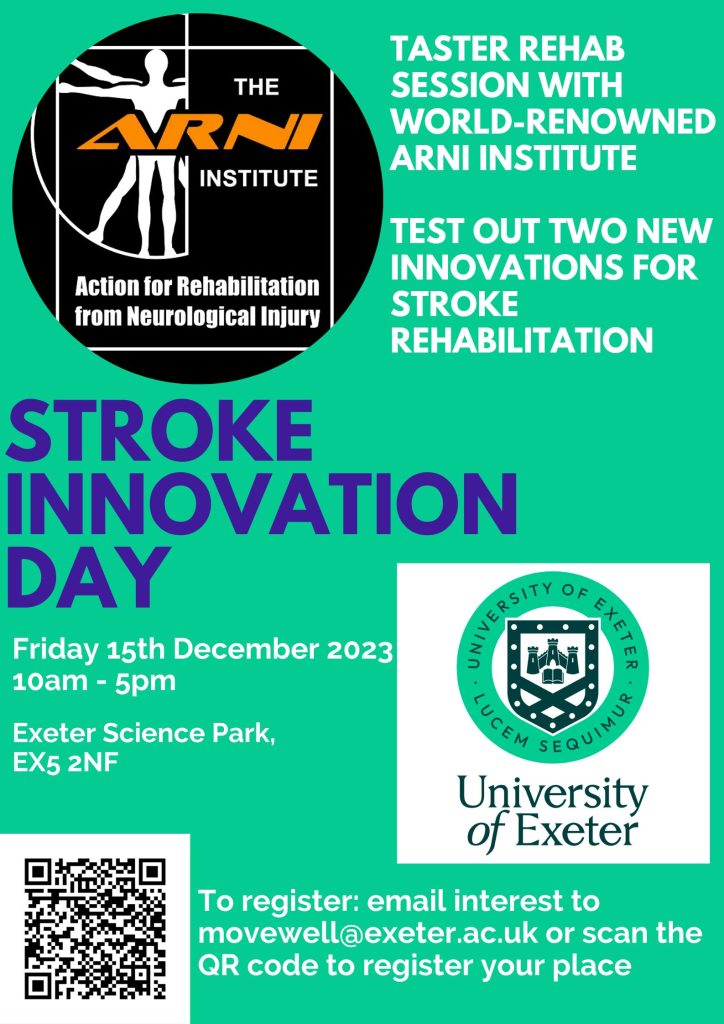 Virtual reality (VR) basically means interactive simulations of activities within environments that appear and feel similar to real-world objects and events (augmented reality).
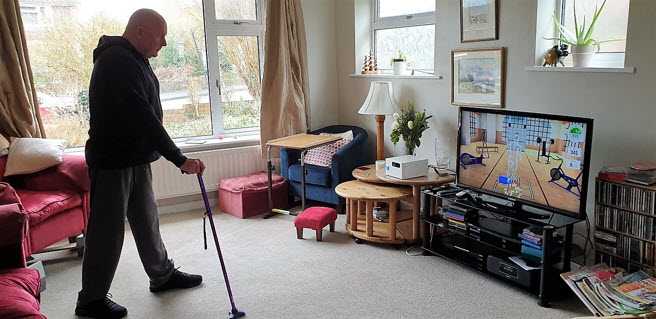 VR interventions can be expensive but most are usually created to be affordable. A set-up often features just a keyboard, a mouse, a specialised multi-modal device such as a console or gloves with built-in movement sensors. Haptic devices are a good example of this. VR devices often provide feedback on movement execution and goal attainment. Many will help you to repetitively practice large and small movement-based tasks through the use of fun and motivating activities that can be completed while sitting, standing or lying.
 A
A 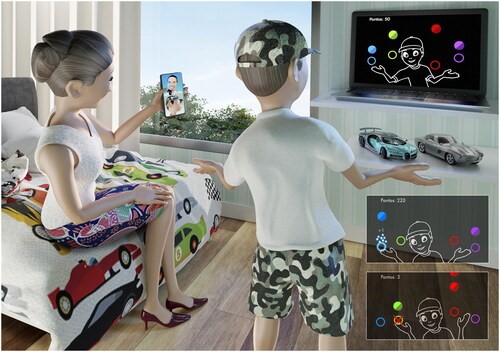


 Another
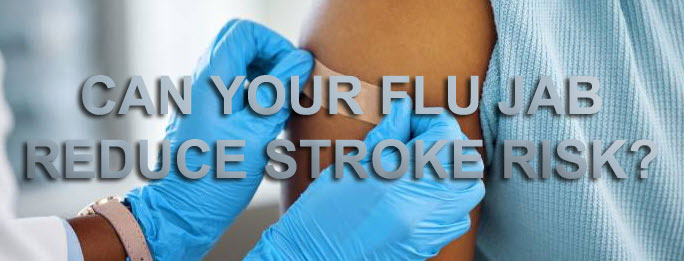
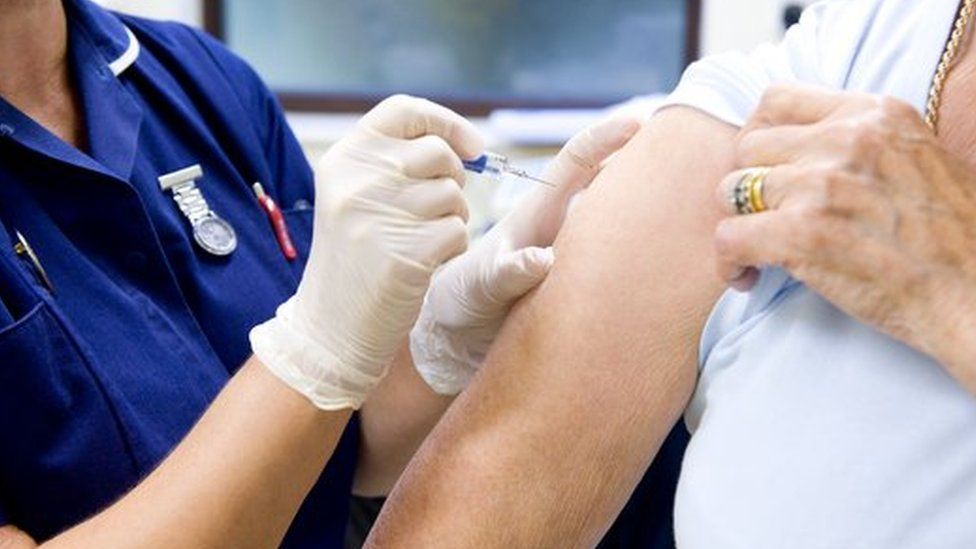
  The analysis was limited in many ways: for example. the highest number of studies conducted to date have been in Asia, Europe, and North America, and no studies have been reported from Africa, South America, and Australia, so this problem adversely affected the generalisability of the study results. Nevertheless, the results of this large-scale meta-analysis show that, compared to the elderly who did not receive the flu vaccine,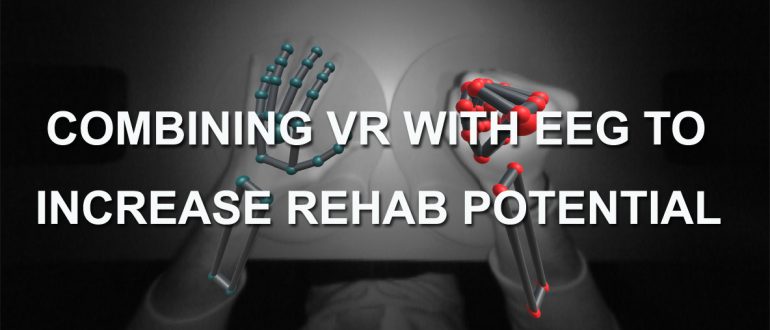
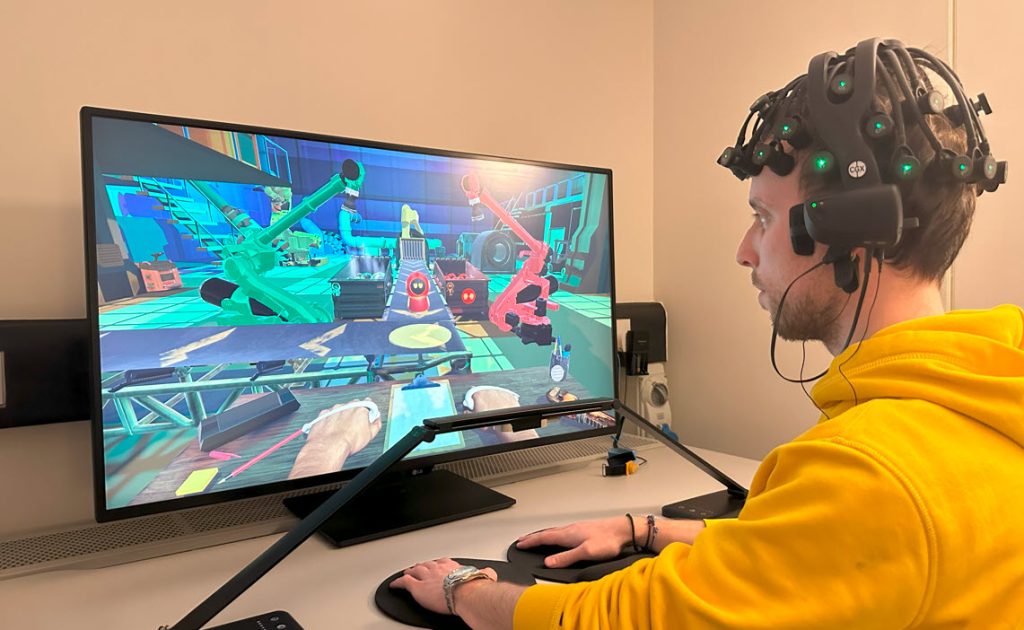
 The Department of Computing at Imperial College London is evaluating a platform called ‘CogiGames Home’, and have asked ARNI Charity to pass this message below to stroke survivors, carers (and professionals to forward if appropriate):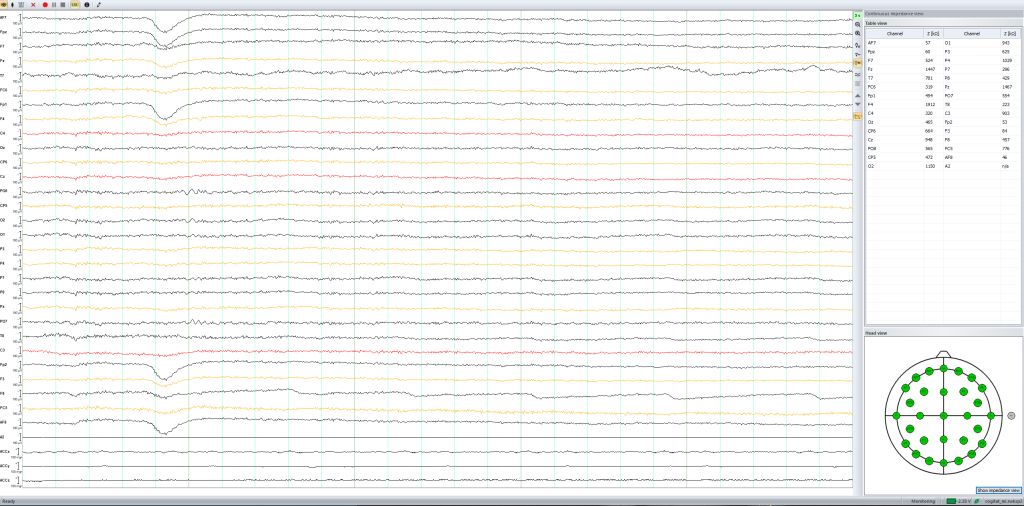
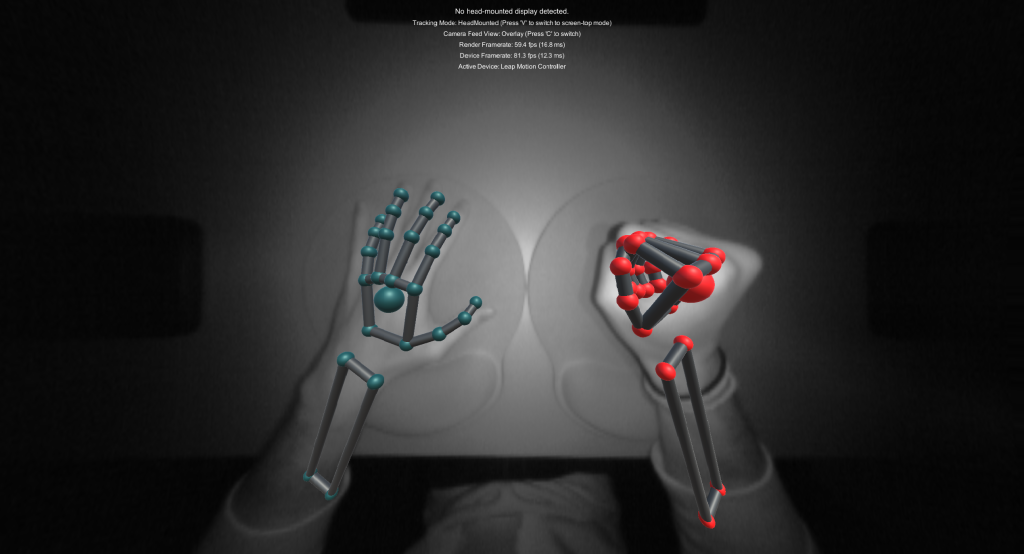 The project is led by Dr Allan Ponniah, a consultant with Royal Free NHS Foundation Trust, and Dr Robert Simister, a consultant neurologist at University College London Hospitals NHS Foundation Trust.