In this post, I’m going to run through ten of the rarer stroke types, ordered from the least rare down to the rarest. For each one I’ve given the approximate share of all UK strokes it represents, and a rough number of people affected each year, working from the figure of roughly 100,000 strokes annually in the UK. Two caveats: some of these are measured as a proportion of all strokes and others as a cause of stroke in a particular group, so the figures aren’t all counting the same thing; and for the very rarest, UK-specific data is thin… so those numbers are estimates rather than firm counts:
- Subarachnoid haemorrhage (SAH), around 5% of all strokes, so roughly 5,000 UK cases a year. It’s a bleed into the space around the brain, usually from a ruptured aneurysm, and it presents differently from most strokes: a sudden, severe ‘thunderclap’ headache, often described as the worst of a person’s life, sometimes with neck stiffness, vomiting and/or collapse. It affects a younger average age than ischaemic stroke and is a serious neurosurgical emergency.
- Cervical artery dissection (CAD), roughly 2% of all strokes, so around 1,500 to 2,000 UK cases a year, yet responsible for up to a quarter of ischaemic strokes in people under 50. It’s a tear in the inner lining of a carotid or vertebral artery in the neck; blood enters the vessel wall, a clot can form, and a stroke follows. It can follow major trauma, but also something minor, like a sharp turn of the head, a sports injury, occasionally a hairdressing appointment or a heavy coughing fit.
- Spinal cord stroke (SCS), around 1% of all strokes, so in the region of 1,000 UK cases a year. Stroke is usually thought of as a brain event, but the spinal cord has its own blood supply and can suffer the same injury. Rather than affecting the face or speech, it affects movement and sensation below the level of the injury; sudden loss of use of the legs, for instance, or loss of temperature and pain sensation while other sensations are spared. Because it doesn’t resemble a typical stroke, it’s one of the most commonly misdiagnosed.
- Cerebral venous sinus thrombosis (CVST), well under 0.5% of all strokes, so roughly 200 to 270 UK cases a year. An ordinary ischaemic stroke involves a blocked artery carrying blood to the brain; CVST is the reverse, a clot in the veins that drain blood away from it. It occurs in a different population from most strokes: younger adults, and women around three times more often than men, with associations including pregnancy, the combined contraceptive pill and clotting disorders. Early symptoms are often vague btw, so it’s frequently taken for migraine at first.
- Cerebral autosomal dominant arteriopathy with subcortical infarcts and leukoencephalopathy (CADASIL), an inherited small-vessel disease, with a UK prevalence usually cited at around 2 to 5 per 100,000 people, so on the order of a few hundred affected individuals nationally and a small annual share of strokes. Caused by a fault in the NOTCH3 gene, it produces recurrent small deep strokes from mid-life, often alongside migraine with aura, mood disturbance and a gradual decline in thinking. It runs in families, and a parent with CADASIL passes it to each child with a one-in-two chance.
- Moyamoya disease (MMD), with a Western incidence of roughly 0.09 per 100,000 per year, so perhaps 50 to 100 new UK cases a year across all ages. The name describes the ‘puff of smoke’ appearance on angiography as the main arteries at the base of the brain narrow and the body grows a fragile network of tiny compensating vessels. It causes strokes in both children and young adults, is more common in East Asian populations, and often needs surgery to reroute blood supply.
- Fibromuscular dysplasia (FMD)-related stroke, rarer still as a cause of stroke, though FMD itself is under-recognised. FMD is an abnormal development of the artery wall, most often in the arteries to the kidneys and the neck; when the neck arteries are involved it can lead to dissection, aneurysm and stroke, typically in women under 50. Precise UK stroke numbers aren’t well established, but as a stroke cause it well below 0.5%.
- Stroke from a cardiac myxoma, a rare benign tumour of the heart. Fragments of the tumour, or clots forming on it, can break off and travel to the brain. Cardiac myxoma affects roughly 0.5 per million people a year, so only a handful of UK strokes annually arise this way; and actually, the stroke can be the first sign the tumour exists at all.
- Stroke from central nervous system (CNS) vasculitis, inflammation of the blood vessels within the brain itself. It’s genuinely rare, with primary CNS vasculitis (PCNSV) estimated at around 2.4 per million per year, so a small number of UK strokes a year. It can cause headache, cognitive change and strokes in people with no conventional vascular risk factors, and it’s one of the hardest diagnoses to reach, often needing specialist imaging or biopsy.
- Stroke from an air or fat embolism, where a bubble of air or a globule of fat, rather than a blood clot, blocks a cerebral vessel. Air embolism can follow certain medical procedures or diving accidents; fat embolism (FES, fat embolism syndrome) most often follows major long-bone fractures. Numbers are tiny and not reliably counted, but as a stroke mechanism it’s about as uncommon as they come.
So there it is – these ten all are managed within the same specialist stroke and neurosciences services as any other stroke, with the same rapid assessment and imaging. But because they affect younger people predominantly, present with unusual symptoms or fall outside the FAST template, they’re more often diagnosed late… and we know too well that ‘delay costs brain’…
 Post-stroke fatigue is one of the most common and challenging symptoms to manage. Dong et al, (2025), reported that 45.8 % of individuals in their study experienced post-stroke fatigue, highlighting the need for interventions that address depression, improve quality of life and restore activities of daily living.
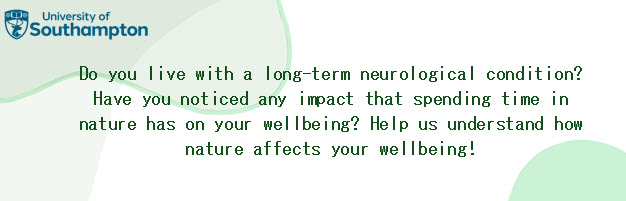
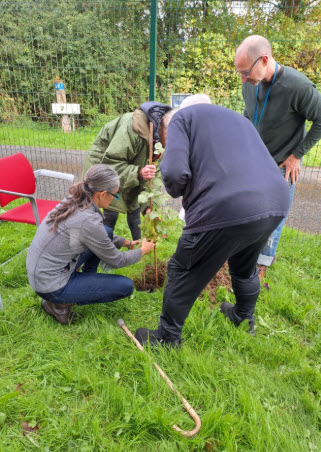 As interest grows in holistic, person-centred approaches to rehabilitation, nature engagement is emerging as a promising way to support wellbeing for individuals living with long-term conditions.
 Your insights can help shape future stroke rehabilitation approaches and ensure that nature-based programmes are designed with lived experience at their core.
 What will happen to me if I take part?
 Are there any benefits in my taking part?
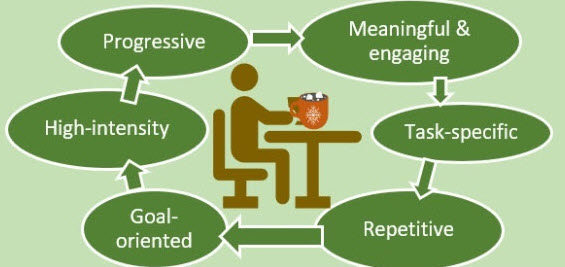 Upper limb impairment is a common and persistent consequence of stroke, significantly affecting an individual’s independence and quality of life. The evidence shows clearly that the cornerstone of effective motor recovery is task-specific practice, a principle underpinned by evidence from neuroscience and motor learning theory. This approach posits that the brain re-organises itself in response to intensive and repetitive functional training, fostering neuroplasticity.
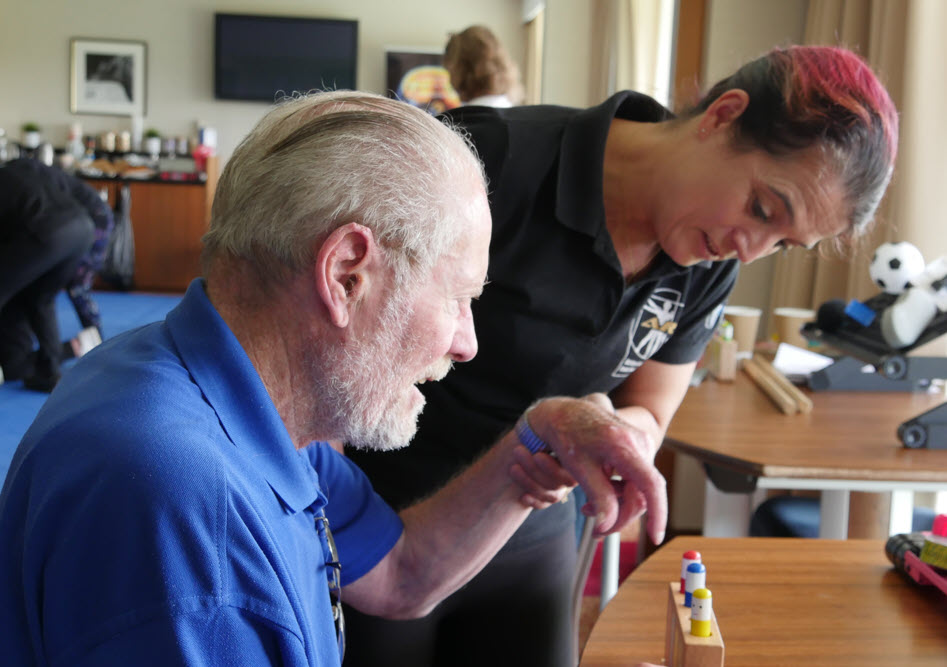 This approach moves beyond general exercises to focus directly on the functional skills that enhance independence, motivating patients through visible, goal-oriented progress. While private clinics can offer the benefit of therapist supervision, specialised equipment and intensive regimens, stroke survivors reading this will be all too aware that consistent practice at home is crucial for achieving high dosages of repetition rates necessary for effective motor learning. ARNI Stroke Rehab UK instructors work with patients to set up personalised routines, often leveraging accessible technology or adapted household items, making rehabilitation a continuous, integrated part of daily life.
 For task-specific practice to be effective, it should be relevant to the survivor’s goals, performed frequently, and incorporate feedback to reinforce learning. However, traditional-type therapy has been evidenced to struggle to provide the sheer volume of high-quality repetitions needed to drive meaningful neural recovery. Correspondingly, a range of technologies have emerged fill this need to assist and optimise task-specific practice.
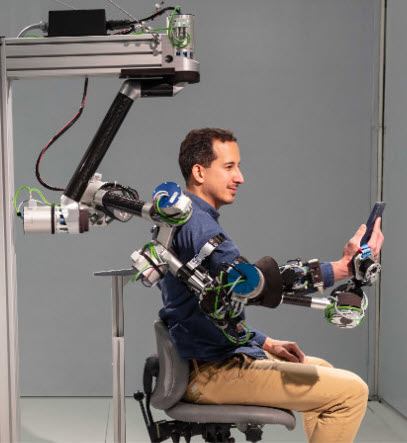 Clinics can now days employ some very sophisticated robotic and electromechanical systems to maximise task-specific training, with many devices in the range of the average stroke survivor’s pocket. Some of these devices are robotic exoskeletons that provide adjustable arm weight support, allowing individuals with severe weakness to perform a greater range of movement. The principle of gravity compensation enables survivors to initiate and control movements themselves, rather than being passively moved, which is crucial for neuroplasticity.
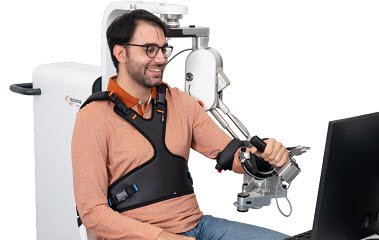 For instance the Hocoma ArmeoSpring Pro (right) is a robotic exoskeleton system which provides adjustable arm weight support for the entire movement chain, from the shoulder to the hand, through a patented technology. This counterbalances gravity, allowing individuals with severe weakness to perform a greater range of movement.
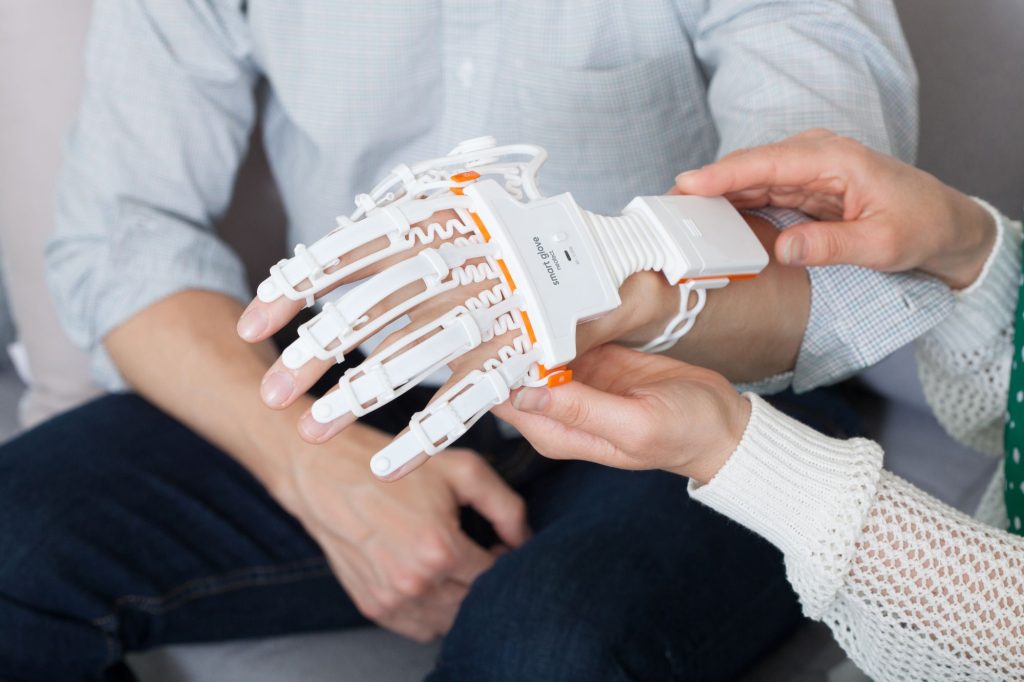 For instance, the Neofect Smart Glove (left), is a soft, wearable hand-and-wrist rehabilitation device that uses gamified exercises to improve motor function which incorporates sensors that track movements of the wrist and fingers, providing a platform for therapy with accompanying software offering a variety of games targeting different movements and abilities…
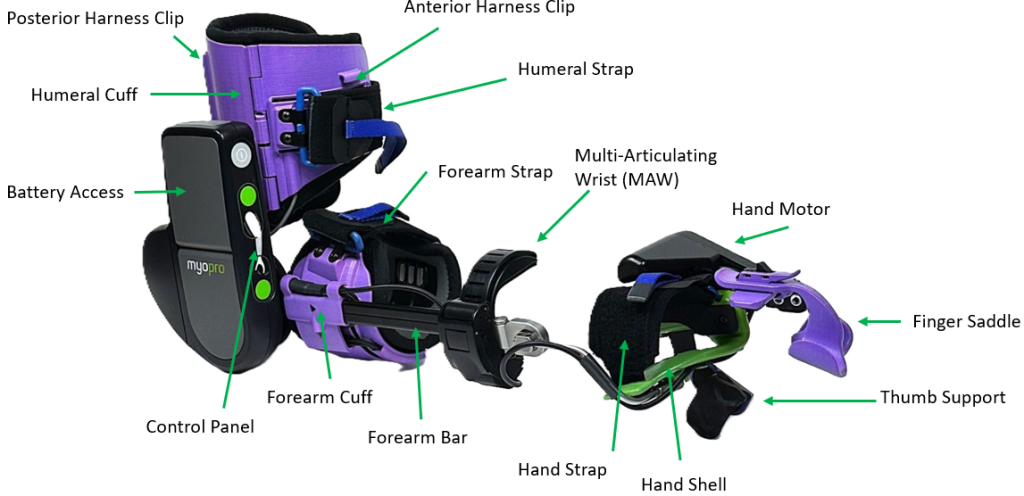 The principle here is to leverage a survivor’s own bio-signals to drive movement, creating a powerful biofeedback loop that promotes active participation and self-initiation of movement.
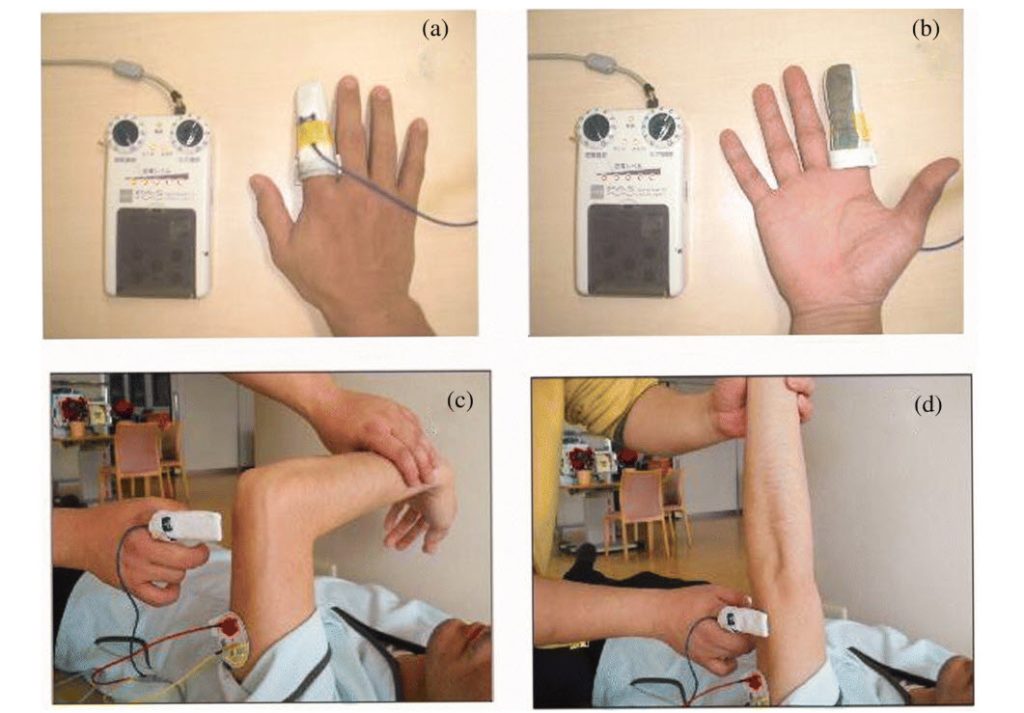 The principle is to provide an external impetus for muscle contraction, which, when paired with the stroke survivor’s intent during a functional task, strengthens the neural pathways controlling movement. This helps re-educate the neuromuscular system and can enable the ability to perform task-specific practice. Clinical access to such FES systems is available through NHS and private rehabilitation services, with pricing depending on the clinical package.
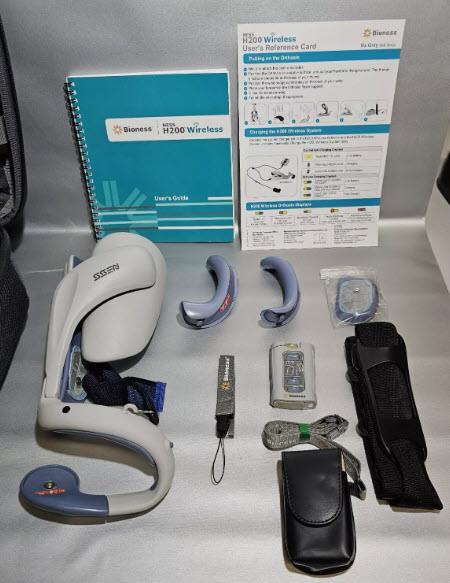 An example of a wearable for the home market is the Bioness H200 Wireless; (right) a sleek, wireless FES device that delivers mild electrical stimulation to specific arm and hand muscles via electrodes integrated into a soft cuff. The stimulation is controlled via an intuitive handheld unit or app, allowing for functional, task-specific training. The core principle is that FES provides an external impetus for muscle contraction, which, when paired with the patient’s intent to move, strengthens the neural pathways controlling arm and hand function.
 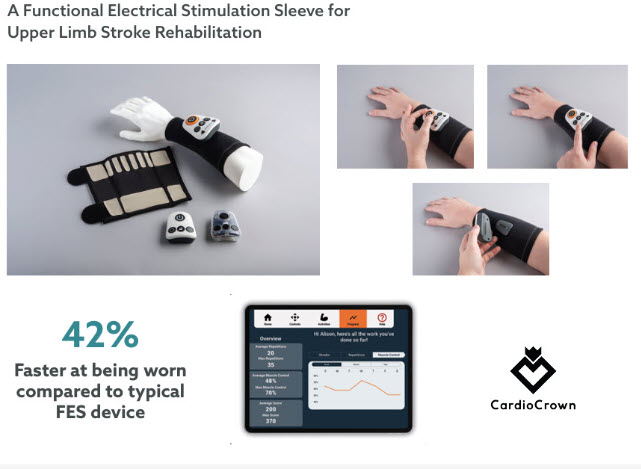 Others incorporating FES and EMG which are designed for survivors to purchase, like the
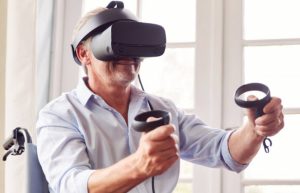 Virtual Reality (VR) is transforming monotonous exercises into interactive games, boosting patient engagement and motivation. Studies have shown that when used alongside traditional therapy, VR can significantly improve motor function and quality of life for stroke survivors.
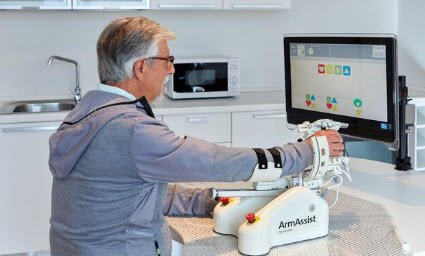 Robotic devices can also supplement therapy by assisting with intensive, repetitive exercises that might otherwise be too demanding for therapists or patients. The best results often occur when robotic therapy is combined with conventional methods, and different robots are suited for varying needs.
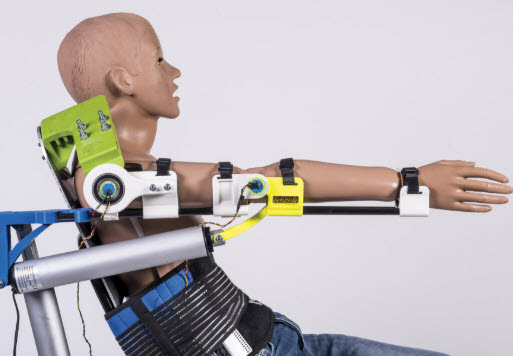 Upper limb exoskeletons operate in several modes to help with different stages of recovery:
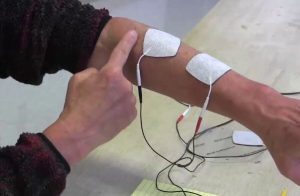 Functional Electrical Stimulation (FES) uses electrical pulses to activate muscles artificially, helping to practice functional tasks like grasping and reaching. When coupled with voluntary movement, this technique can help promote neuroplasticity, the brain’s ability to reorganize itself. Surface electrodes can be placed on the skin, or in more advanced setups, integrated into electrode arrays on a fabric sleeve or orthosis.
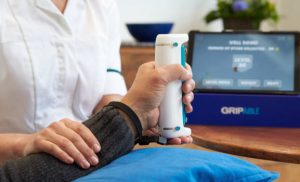 Wearable sensors take the form of wrist-worn sensors or special gloves can track arm movements and provide real-time feedback through a tablet or app. Gamified devices have also been available for many years. Both the following are produced by long-term colleagues of ARNI: GripAble, is a great example which turns exercises into engaging, fun activities for at-home use. And Neuroball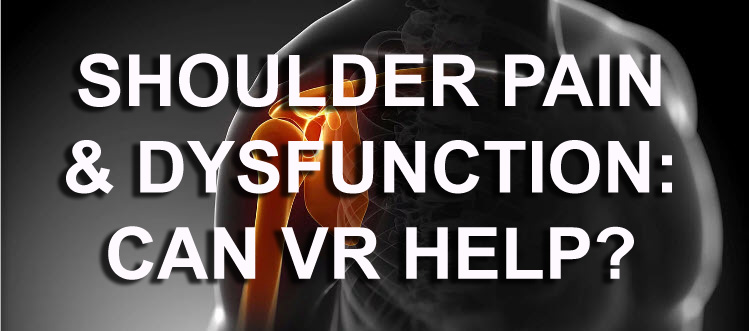
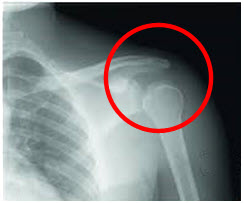
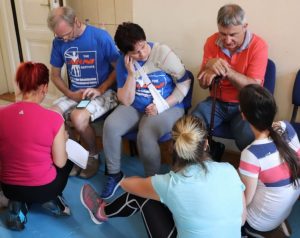
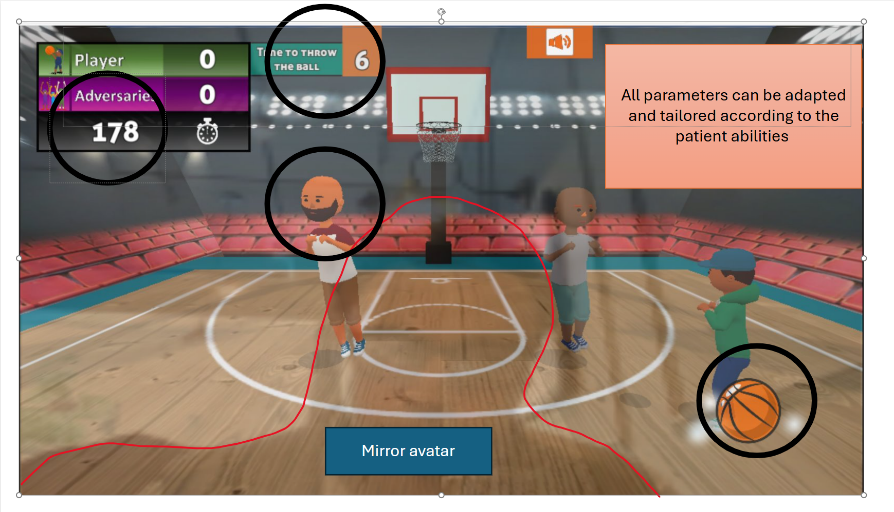
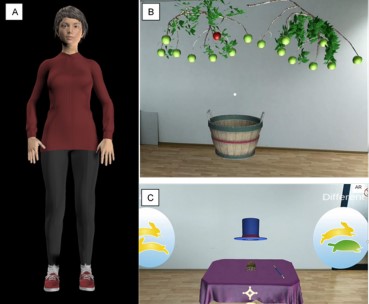
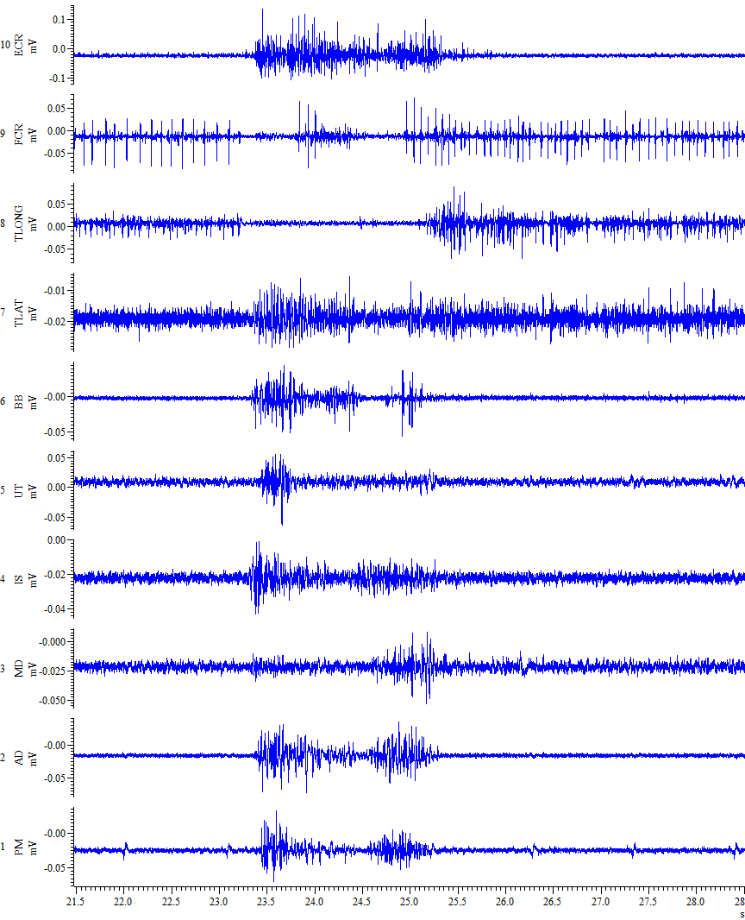 This study is proof of concept that aims to see whether even short-term use of such a game can make a measurable difference. And now, they are inviting participants to get involved too.
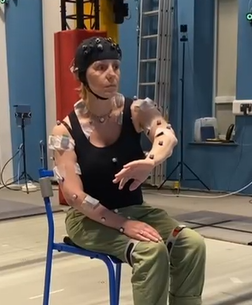 You’ll attend a session at the VSimulators facility in Exeter or University of Leeds. The session takes about 2 hours, including preparation and testing.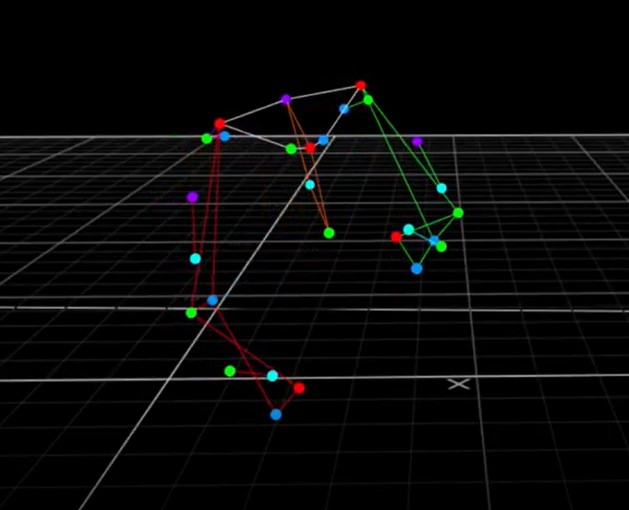
 Your GP no doubt has already told you that if he or she could put cardiovascular exercise into a drug, it would be one of the most effective medications to prevent and/or treat patients with cardiovascular and/or cerebrovascular diseases. But cardiovascular exercise, despite the known benefits, is still known to be under-utilised by clinicians as a ‘prescription’ during rehabilitation.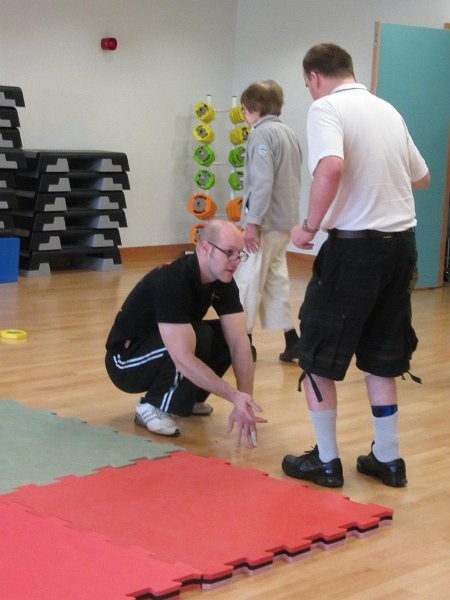
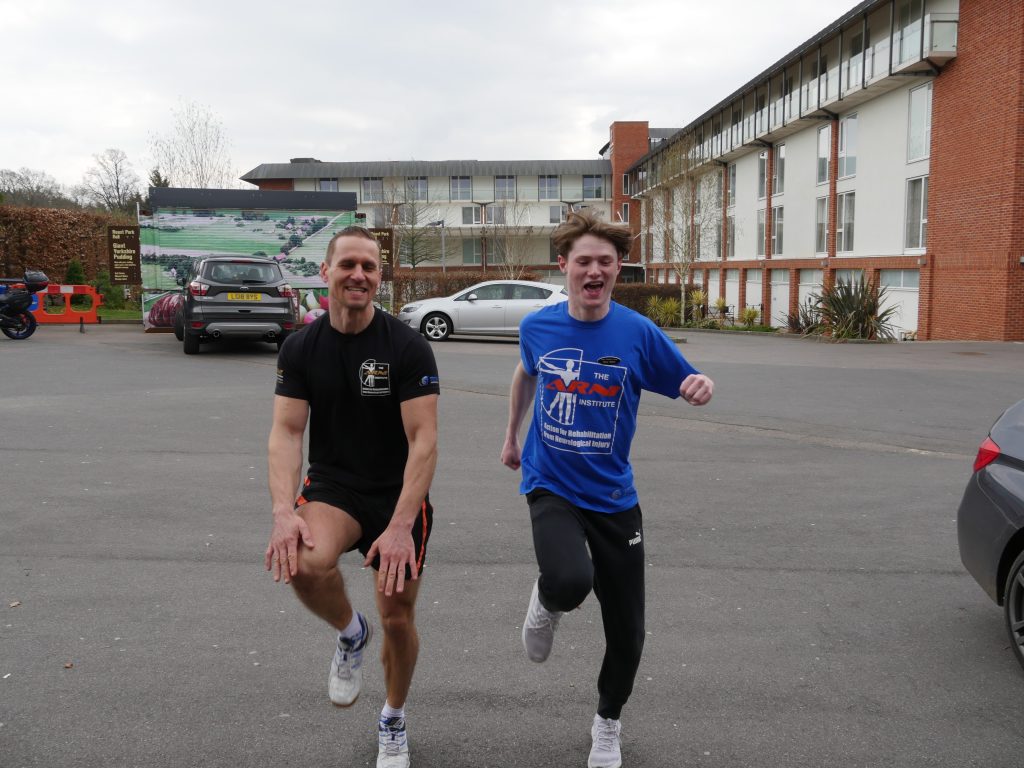 The evidence for exercise after stroke has resulted in the development of stroke-specific community exercise programmes. The system is analogous to the very well-established rehabilitation services for cardiac disease patients which usually start after usual rehabilitation has ended. Collaborations between health boards and council-run leisure centres have resulted in the establishment of exercise referral schemes, which have provided a range of stroke-specific cardiovascular exercise programmes delivered to smaller and larger groups.
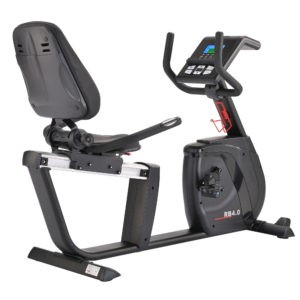 Those that are known as recumbent or semi-recumbent bikes (depending how reclined it is) would be my first choice for a ‘beginner stroke survivor’. These types of gym bikes can be picked up relatively affordably from a variety of places and often aren’t cheap but they hold a considerable re-sale value.
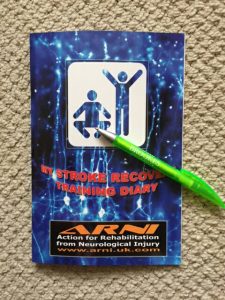 A big tip from Tom: make sure to record and celebrate any and all successes. Try to pinpoint how you achieved new action control in your ADLs. This is often via something achieved in your retraining. Start to become aware of these. Get this data recorded somehow.
 Also, note as an aside that if ‘Press’ may involve ‘where one creates’ / where/who is around to help you do stuff / what sources can you look at / involve with etc etc, it does rather shine a light on the importance of being cognisant of not just ‘where one is’ (eg, in a flat, in a tower block, in the suburbs of London) but how one can bring maximal resources to bear to help your own situation.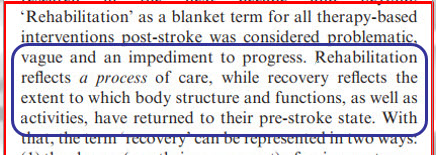
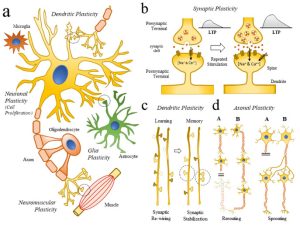 Your brain attempts to repair as much as possible after stroke, but there is a downside. During this period of repair, the neurons that surround the infarct are not able to do their job of conducting impulses.
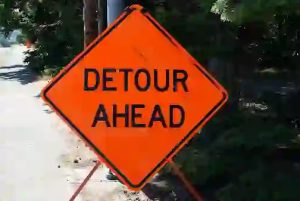 The more a road is used or the more popular it may become (ie, if a new short-cut to a motorway has just been loaded to the sat-nav technology), the more traffic may build suddenly up along that route, so the council may strengthen the existing road to cope with the traffic and/or add more lanes or new routes to cope with the increased traffic (new connections). It will also add speed-bumps no doubt!
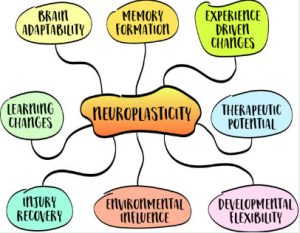 Neuroplasticity allows us to compensate for irreparably damaged neural pathways by strengthening or re-routing remaining ones. The more you use these pathways, your brain will respond by upgrading them so that they’re more efficient at handling the traffic and the quicker the information is sent. The more the pathways (or ‘roads’) are used, the more adequately functional a task, ability or skill may seem to become.
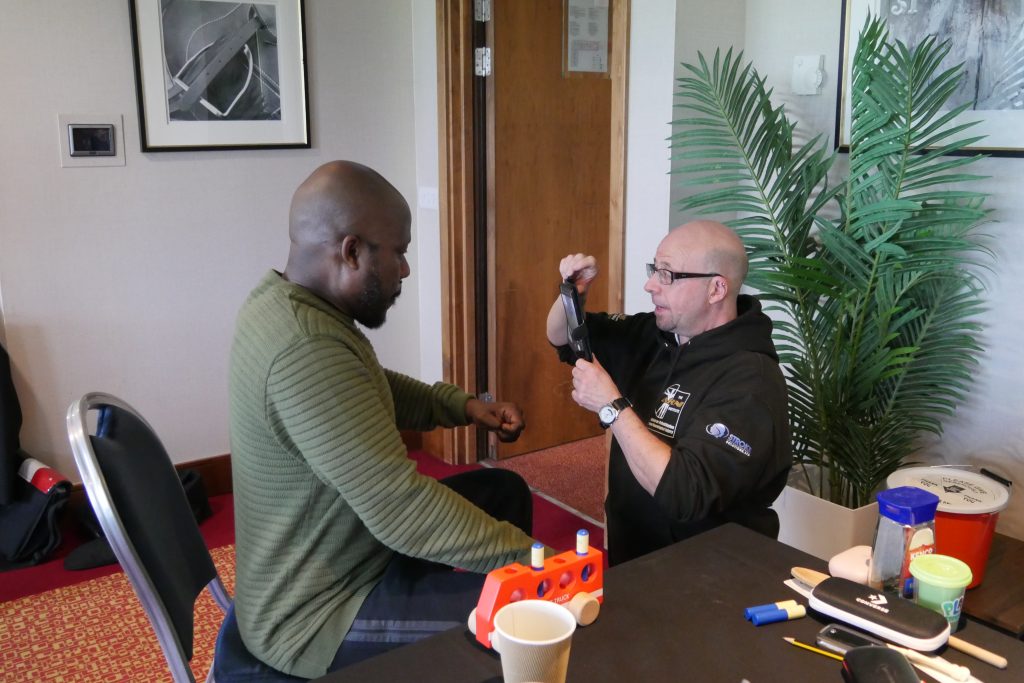
 A big secret to success with your upper limb for example (dependent on presentation) is, after early intensive recovery efforts have moved you to a certain standard of functional movement, to start ‘creating’ things with the thought of ‘formal rehab’ firmly in the background.
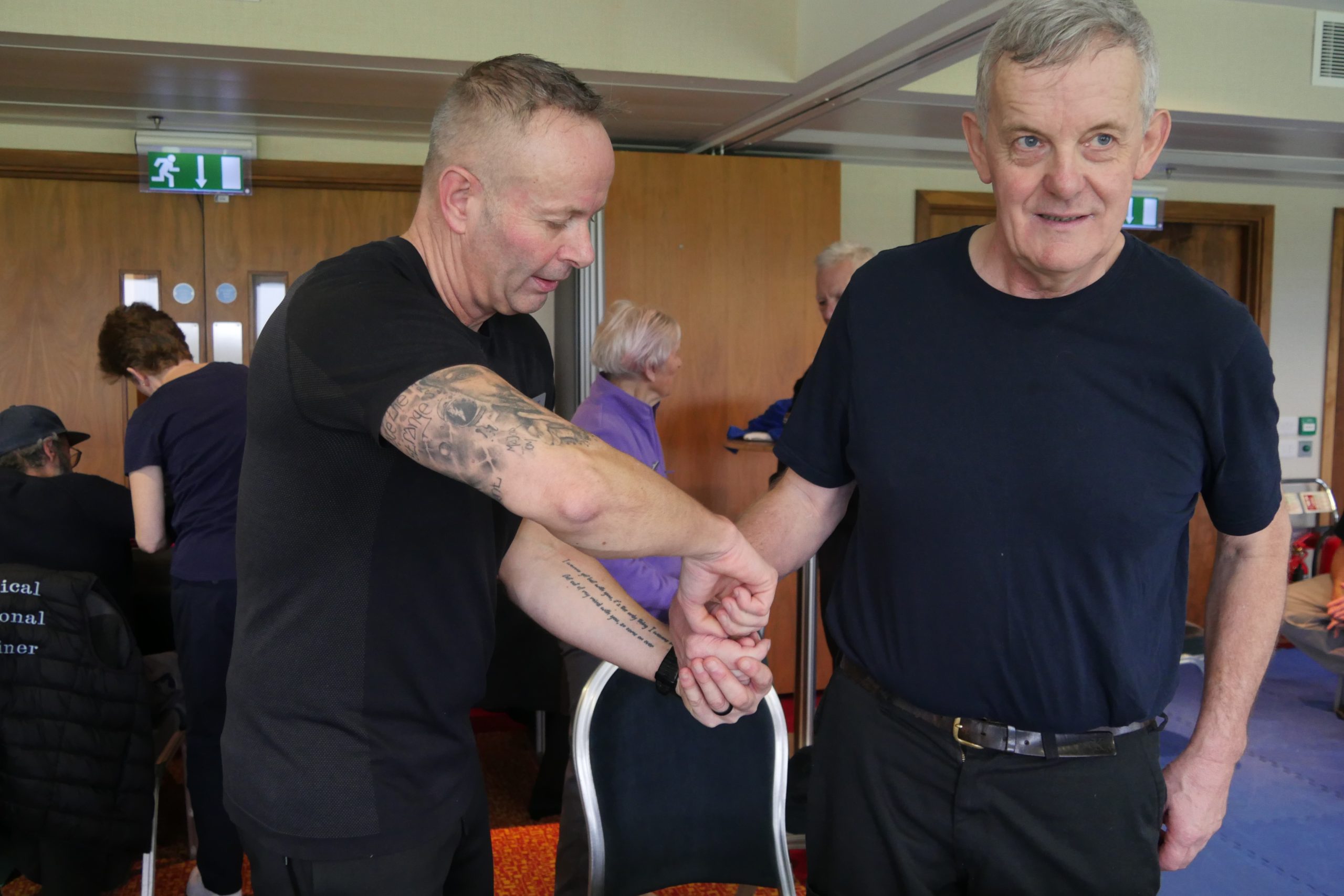 And furthermore, motivation must ‘run like a ribbon’ through the creative process. This must be intrinsic to the creator – there must be a NEED to create, to problem-solve until an objective is complete. This need stokes interest, drive, enthusiasm, desire, perseverance, passion and persistence.
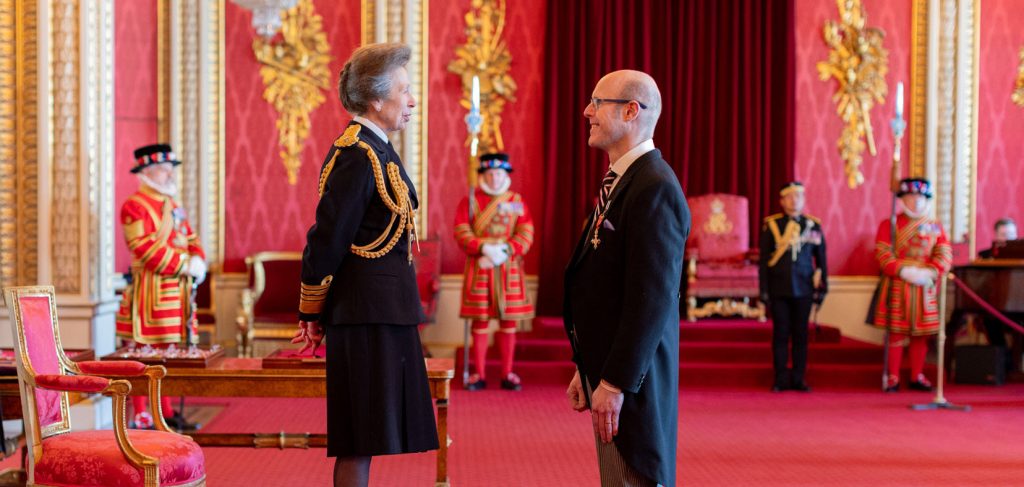 Dr Tom Balchin, who founded the Action for Rehabilitation from Neurological Injury (ARNI) Charity nearly 25 years ago, has been made an Officer of the British Empire (OBE) in the New Year’s Honours List.
 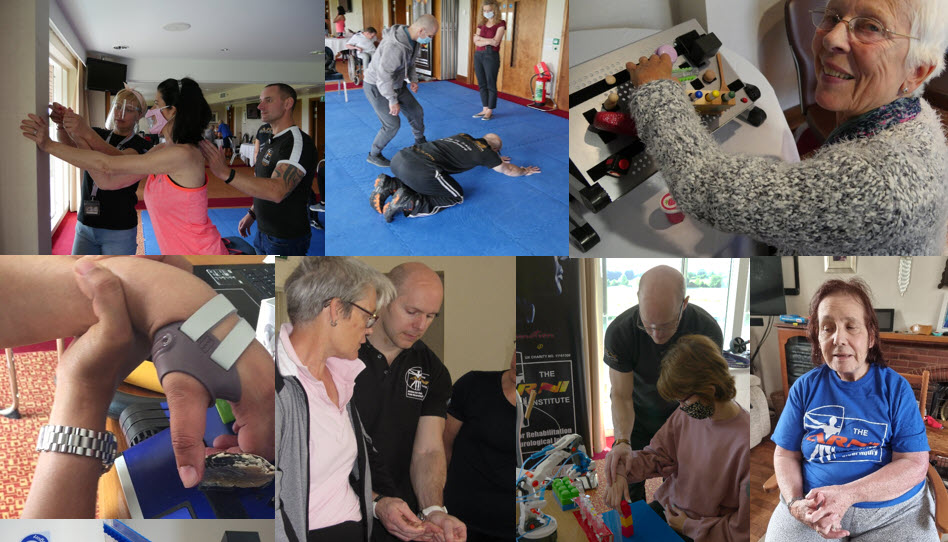 To do this required Dr Tom create what has become the only existing national accredited qualification in rehabilitation after stroke for specialist personal trainers and therapists.
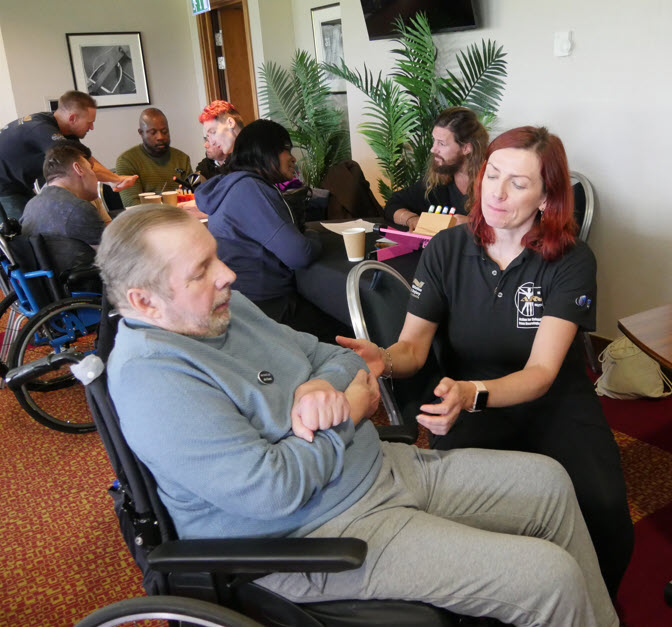
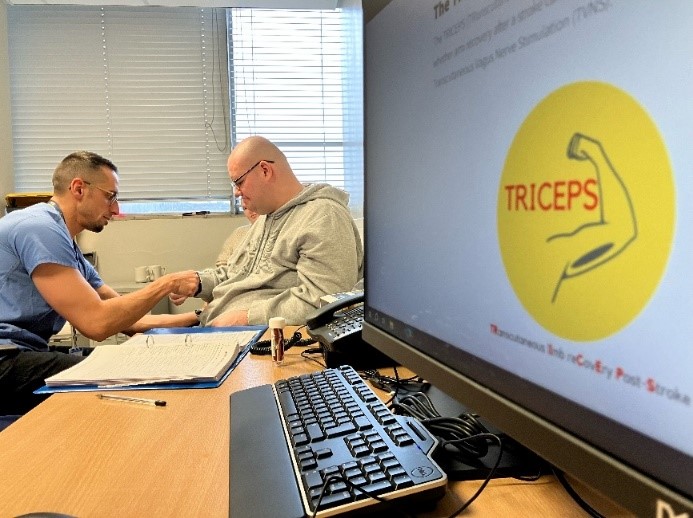
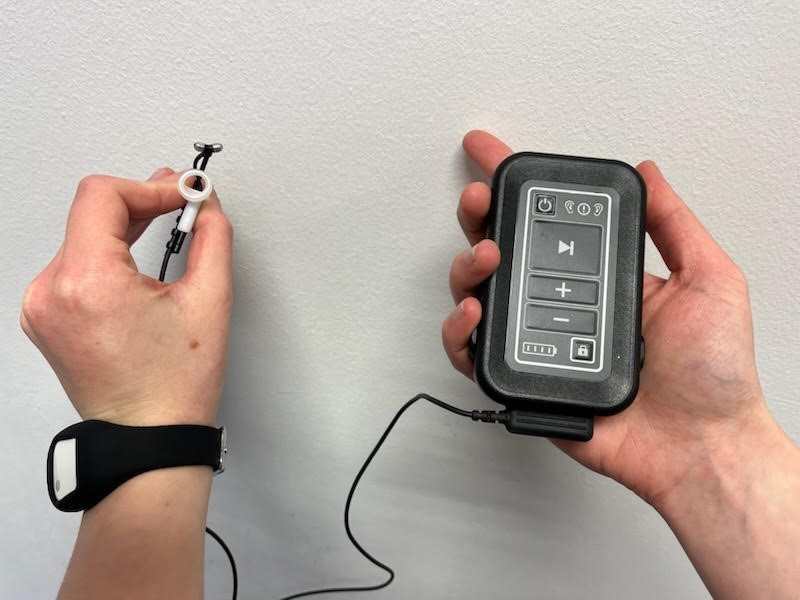
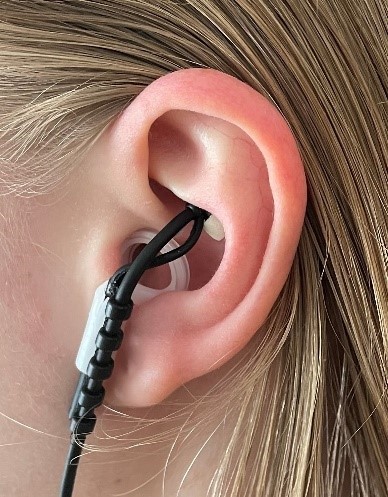 Sheffield Teaching Hospitals and NHS Trusts nationally are looking for stroke survivors (aged 18+) with persistent arm weakness following an ischaemic stroke, which occurred between 6 months and 10 years ago.
  I am interested, where can I take part?


 Are between 40-80 years of age.