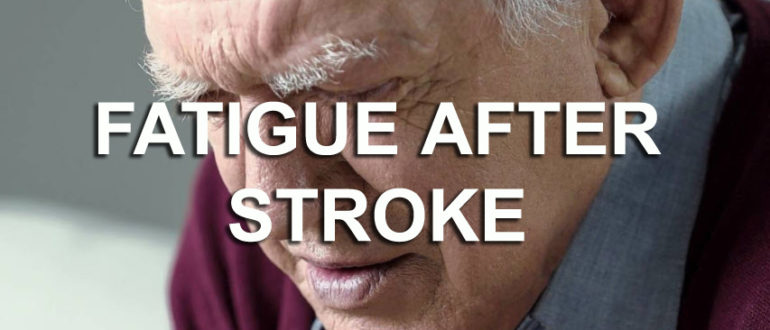
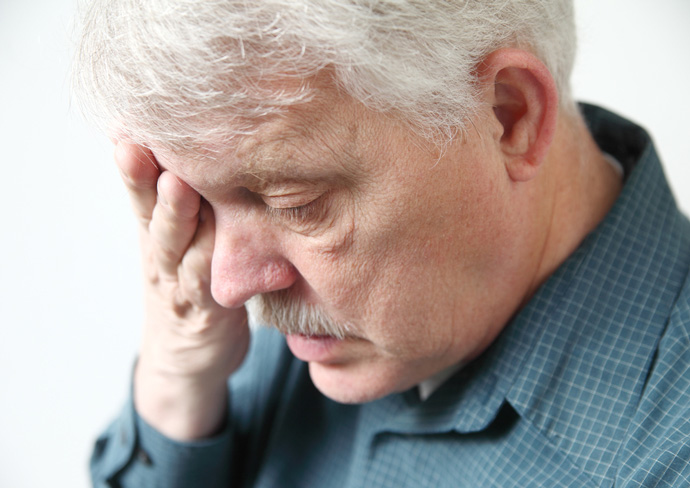
 Experiencing fatigue and stress after stroke is common and can have a really major impact on your ability to self-manage, because it can make simple everyday tasks feel overwhelming, unachievable, or just plain exhausting. And it’s not the same as ordinary tiredness following normal expenditure of effort.
Post-stroke fatigue is a feeling of overwhelming exhaustion that’s unrelated to how much you’ve done, and it doesn’t typically improve with rest. For some people it eases over the months after a stroke; for others it’s present for years (chronic fatigue). And it’s also far more common, and more persistent, than most people assume.
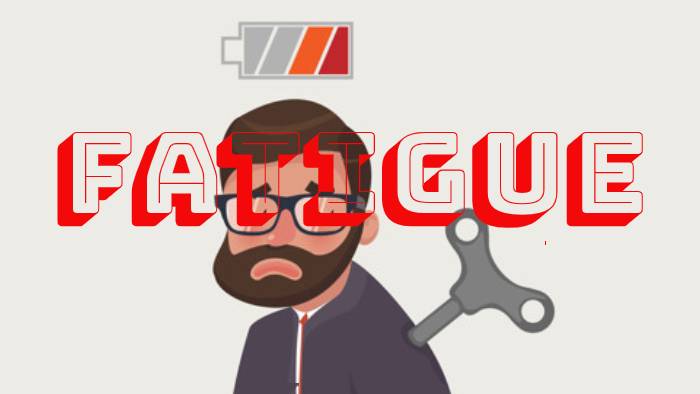 Almost half of all stroke survivors are coping with fatigue; a 2023 global meta-analysis of 66 studies across nearly 12,000 survivors found 47% of them suffered from it…with higher rates reported after a haemorrhagic stroke than ischemic stroke. But one of the most surprising findings is that fatigue is also uncorrelated with the severity of the stroke. Even TIA survivors, whose physical symptoms resolve within hours, experience prolonged fatigue.
Although it’s something that in my experience, is under-recognised for what it is and often just put up with by survivors (as movement limitations are often seen as much more important to acknowledge by them and tackle), the latest stats actually show that 4 out of 10 stroke survivors rank it as their biggest problem after stroke.
This may be because for the majority of people, it’s very hard indeed to resolve; around half of survivors report fatigue at six months and just under half still report it after two years. And a third are still fatigued many years later. No wonder its not only significantly associated independently with reduced quality of life, but also higher mortality.
This is why the 2023 National Clinical Guidelines now requires fatigue to be assessed and managed with energy conservation, sleep-hygiene support, graded activity and psychological support acknowledged & built into rehab interventions rather than treated as a separate issue…
STROKE SURVIVORS WITH FATIGUE: Here’s how YOU can get tested (for free) and help with a clinical study!
 Find out at Leeds Effort Lab!
For more than 15 years, long time ARNI friend Dr Anna Kuppuswamy (originally at UCL’s Queen Square Institute of Neurology and now leading her research group at her ‘Effort Lab’ at the University of Leeds), has been at the leading edge of fatigue after stroke research. She and her colleagues have just initiated a new research trial entitled ‘Developing measures for phenotyping post-stroke fatigue‘ , which examines the validity of proposed mechanism behind why fatigue affects different people so differently.
The team are recruiting stroke survivors who are at least six months post-stroke and who experience post-stroke fatigue. Taking part involves one or two visits to the University of Leeds. The sessions include screening, questionnaires, a grip-force matching task (a hand grip task under different conditions), and a session at the MRI imaging centre, where the team use brain imaging alongside non-invasive brain stimulation (TMS) to measure your brain activity.
 To take part you need to:
- be aged 18 to 65
- have normal or corrected-to-normal vision
- be experiencing post-stroke fatigue
- be free of any other condition that may cause fatigue
- have no history of photosensitive epilepsy
- be on no medication that affects fatigue levels
- be without movement or grip problems in at least one hand
Your travel costs including parking will be paid.
The study has full ethical approval (Health Research Authority, East of England — Cambridgeshire and Hertfordshire Research Ethics Committee; REC reference 26/EE/0037; IRAS ID 354831).
 If you think that you might be interested, here’s how you can get involved:
- Complete the study inquiry form at https://app.onlinesurveys.jisc.ac.uk/s/leeds/study-inquiry-form-psf, and a member of the team will be in touch.
- Complete the screening form (via the QR code on the study poster, or the Office Forms link), which will tell you whether you’re eligible.
- Email Effort Lab Research Assistant Amber Bonser at A.R.Bonser@leeds.ac.uk.
- Or email the lab at research.effortlab@leeds.ac.uk with any questions.
You can read more about the lab’s work at www.the-effort-lab.wixsite.com/fatigue.
If you think that you might be interested, please get in touch by emailing cameron.cook@ucl.ac.uk. You will be asked some questions to ensure you are eligible and can safely take part in their study.