
The University of Manchester has spent the better part of two decades building the case for anakinra (IL-1Ra) as a treatment for ischaemic stroke – and the latest research from the group, published in the American Heart Association’s journal Stroke and funded by the Medical Research Council, finally explains why a drug with such strong early promise failed to deliver in clinical trials. The answer has less to do with the drug itself than with when it was given.
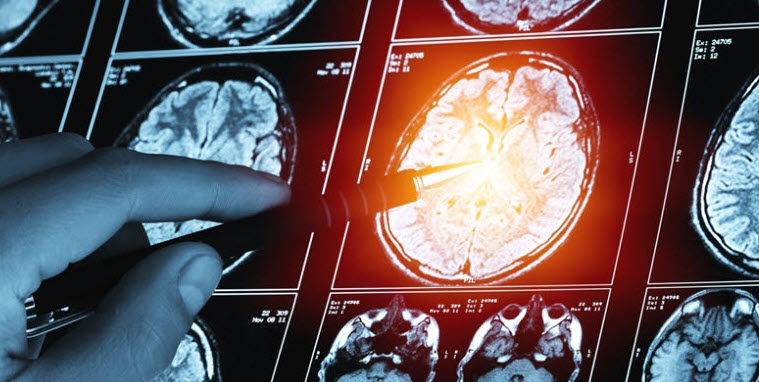
Stroke is the second leading cause of death and disability worldwide, and despite decades of research tPA remains the only licensed thrombolytic treatment for ischaemic stroke in the UK, given within a strict 4.5 hour window and received by only around one in ten patients. The biological case for anakinra is well established; interleukin-1 drives inflammatory responses in the brain after stroke, attracting white blood cells that kill nerve cells and worsen injury rather than helping, and blocking IL-1 limits that secondary damage. Early animal studies were striking, with rats given IL-1Ra showing roughly half the brain damage of controls… but the phase II SCIL-STROKE clinical trial, based at the Northern Care Alliance NHS Foundation Trust, failed to show overall improvement in patient recovery.
Lead author Dr Ioana-Emilia Mosneag and colleagues at Manchester re-examined the trial data and found that nearly three-quarters of SCIL-STROKE patients had received tPA before IL-1Ra, and those patients had significantly lower levels of IL-1Ra in their blood- the drug was being broken down. Laboratory work confirmed that IL-1Ra is cleaved by plasmin, the enzyme produced during tPA treatment, meaning the anti-inflammatory drug was being degraded before it could work… and mouse model experiments made the scale of the problem clear. When given simultaneously with tPA, brain damage reduced by only 15% compared to 68% with tPA alone. But when IL-1Ra was given after tPA, no harmful interaction occurred and the protective effects of tPA were fully preserved.
As Professor Stuart Allan noted, ‘timing is very likely to be a critical factor in the efficacy of IL-1Ra, which will be beneficial if given after tPA rather than alongside it.’ Professor Craig Smith added that future studies will need to investigate the timing and effectiveness of IL-1Ra after tPA, and whether similar interactions occur with tenecteplase, a newer thrombolytic increasingly used in UK stroke centres that may be less likely to degrade IL-1Ra due to its greater specificity. Routine clinical implementation remains some years away pending larger human trials and NICE review; but the failure of SCIL-STROKE was not a dead end – it was a timing problem, and that is a very different thing.